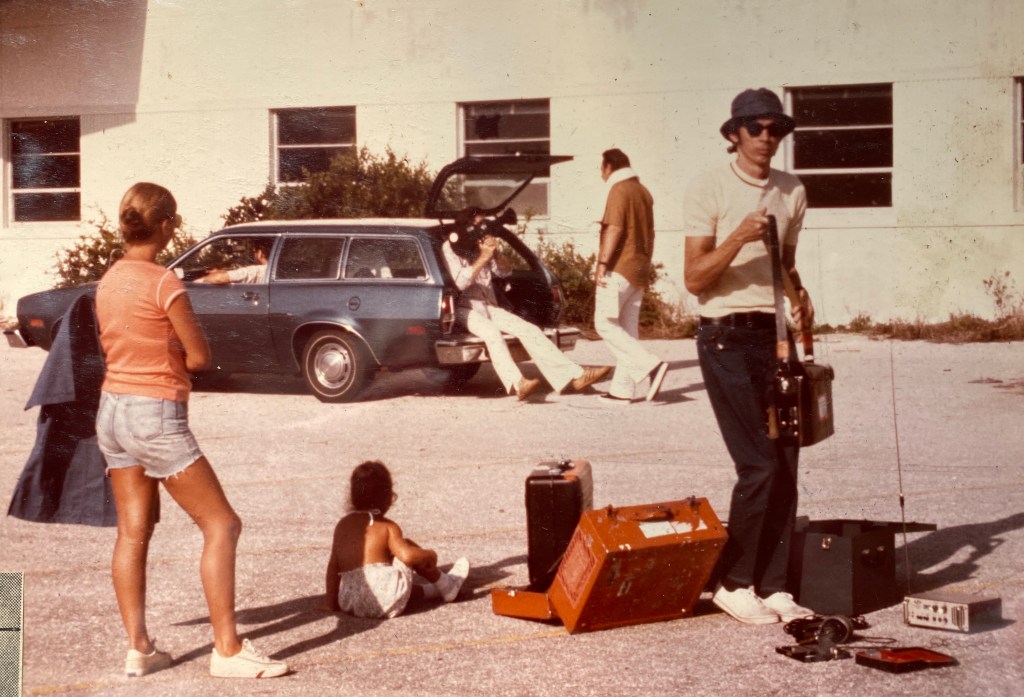
while my father drives and my mother and I watch.
Here I am again, sitting on the floor of my office. Boxes and bins surround me, some precariously balanced on one another, others open to expose their contents. Worn shoeboxes full of letters, dusty paper bags stuffed with film reels, and framed art of all sizes leaning against the wall. There are so many photographs that they have taken over my desk area completely, filling plastic bins and manila envelopes, spilling out over the tops and sides. I’ve decided that photographs are the hardest thing to sort and store.
I’m making another attempt to categorize but rabbit holes are waiting for me at every turn. Read this article in a Sep 22nd, 1977 special issue of Rolling Stone about Elvis’s death? Sure! Flip through the entire inaugural 1968 Whole Earth Catalog? Why not! I could have sworn that photo of my parents trekking in Nepal was in the envelope marked “Mom and Dad Travel” but maybe it’s in the “Family 1990’s” one instead…and look at that, here’s a box of childhood photos I’ve never seen before.
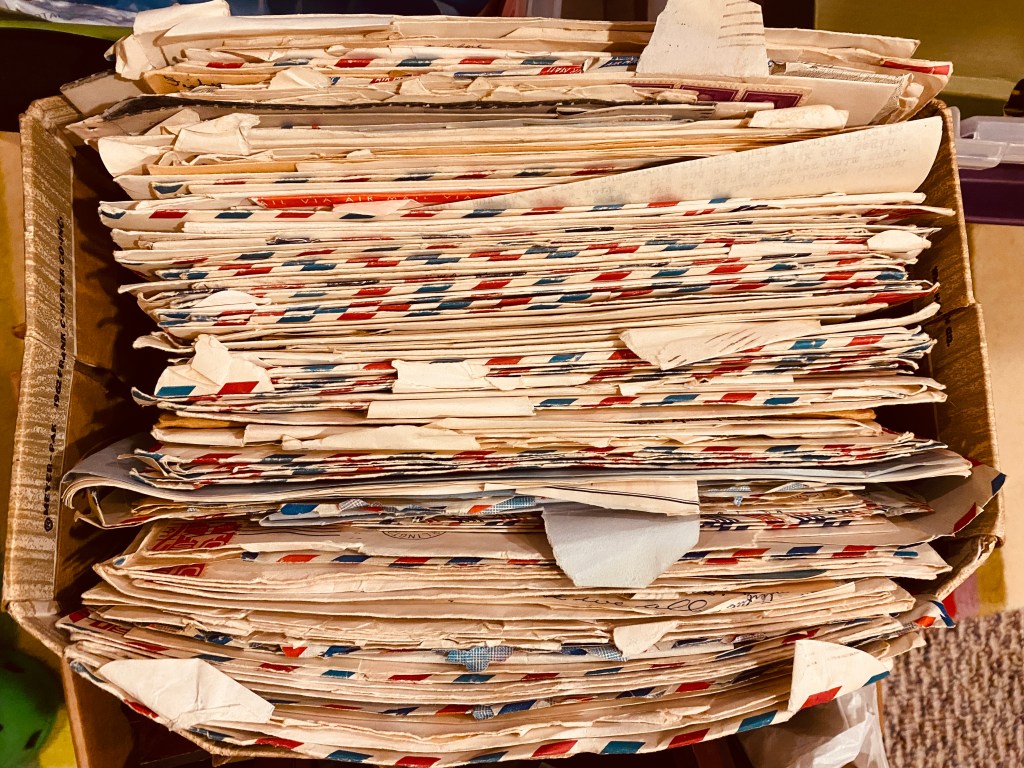
Descending further down that rabbit hole, I don’t just gaze at family photographs. I conjur up the people. The sound of my mom’s laugh, or the smell of the purple wisteria that twined around the pole that marked the entryway to my childhood home. I wonder about the young men dodging the Vietnam draft in my dad’s poster collection and the shy young African girls in my uncle photographed in the 1960s. What are their stories?
This is what happens when an only child sprouts from a family of documentarians. At least that’s what happened to this only child. As I’ve mentioned, my father David Holmstrom was a journalist and a writer, but he was also an artist, photographer, and collector of a mind-bendingly-diverse array of documents, items, publications, and books.
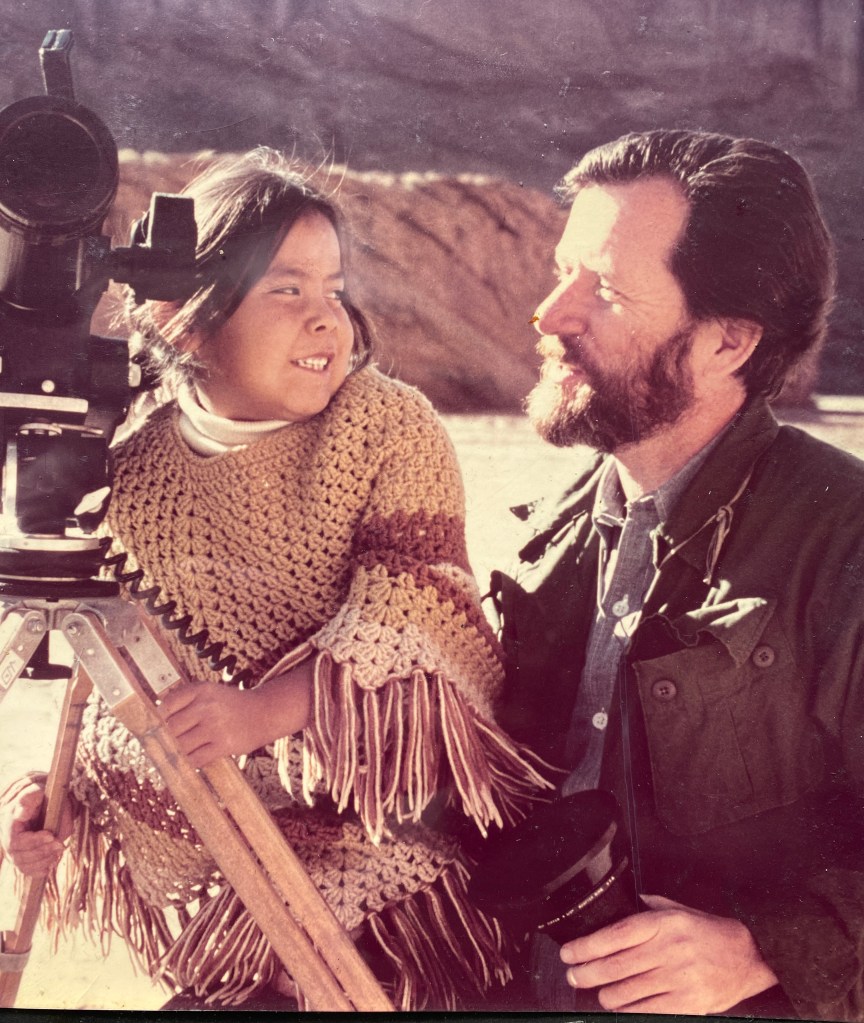
My uncle John Holmstrom (my father’s older brother who never had children) was a successful documentary filmmaker, photographer, and writer. John and I were close and shared many interests. Both John and my father are gone now, but their presence is alive through the material they left behind…material that is now in my hands.
“Get that girl a sibling!” says my dear friend Hether who sometimes helps me sort and catalog the collections. But there is no sibling to be had, so for the most part I am on my own.
In one sense I feel chosen; I am now the keeper, the steward, of these items. There is a banquet, a virtual feast of history, ideas, and words housed in these boxes and folders. The material is calling to me….” Tell these tales, share this rare worth, don’t let it dissolve into memory until no one is left to share.”
Yet, I also feel weighted down by the volume and scope of subjects too numerous to count, as well as the heft of responsibility. I worry that I can’t possibly do it all justice and won’t be able to find enough channels and means to share the stories. And once I share, will anyone be interested?
Overview of material (Part One)
Poster/Handbill Collection: Fourteen folios full of David Holmstrom’s poster assemblage. Starting in 1968 he gathered free posters and handbills on the streets of New York City and built his collection for the next fifty years. Featured cities include San Francisco, Chicago, Los Angeles, Las Vegas, and Santa Fe, New Mexico.
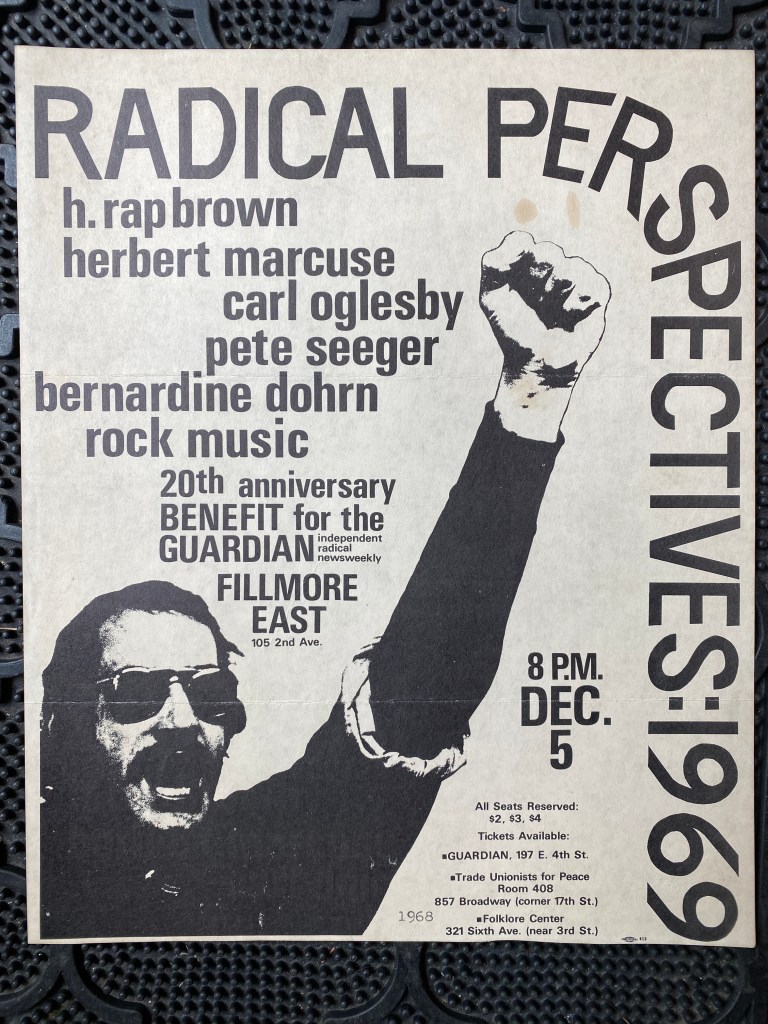
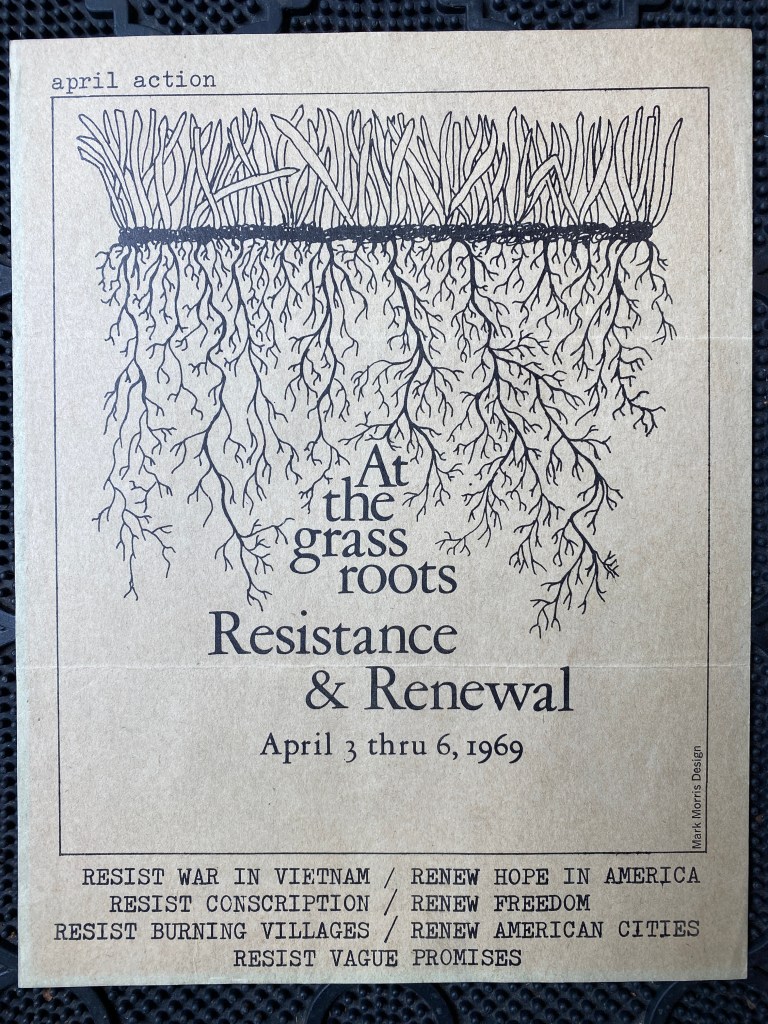
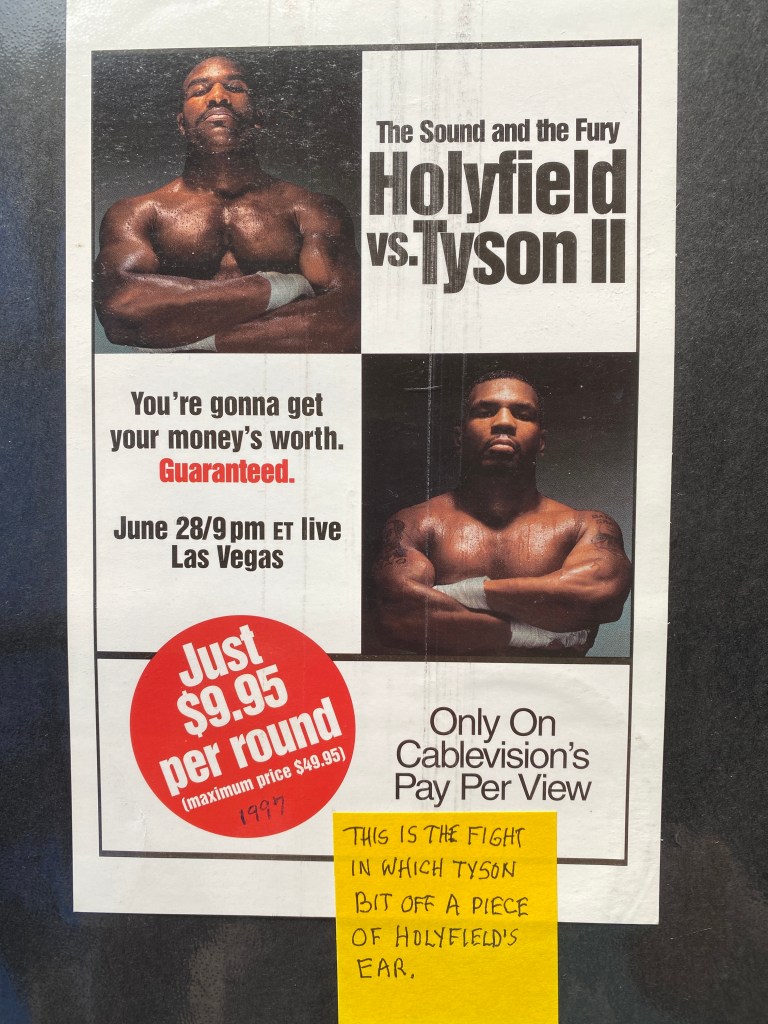
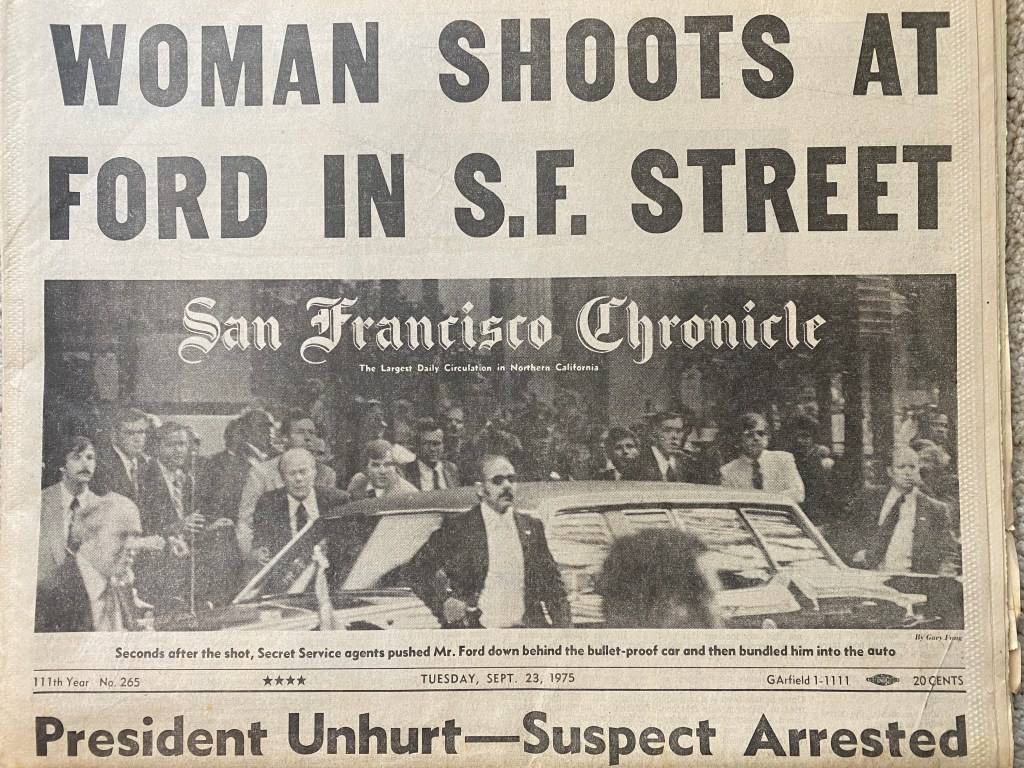
Newspaper/Magazine Collection: My dad’s tendency to buy newspapers on important news days and strategically save certain magazines might seem like hoarding if the subjects and headlines weren’t so compelling. Spanning well over a century (the earliest one I’ve found, so far, is from 1889) and featuring headlines like “Man Walks on Moon” and “Kennedy Shot!” the collection truly brings history alive.
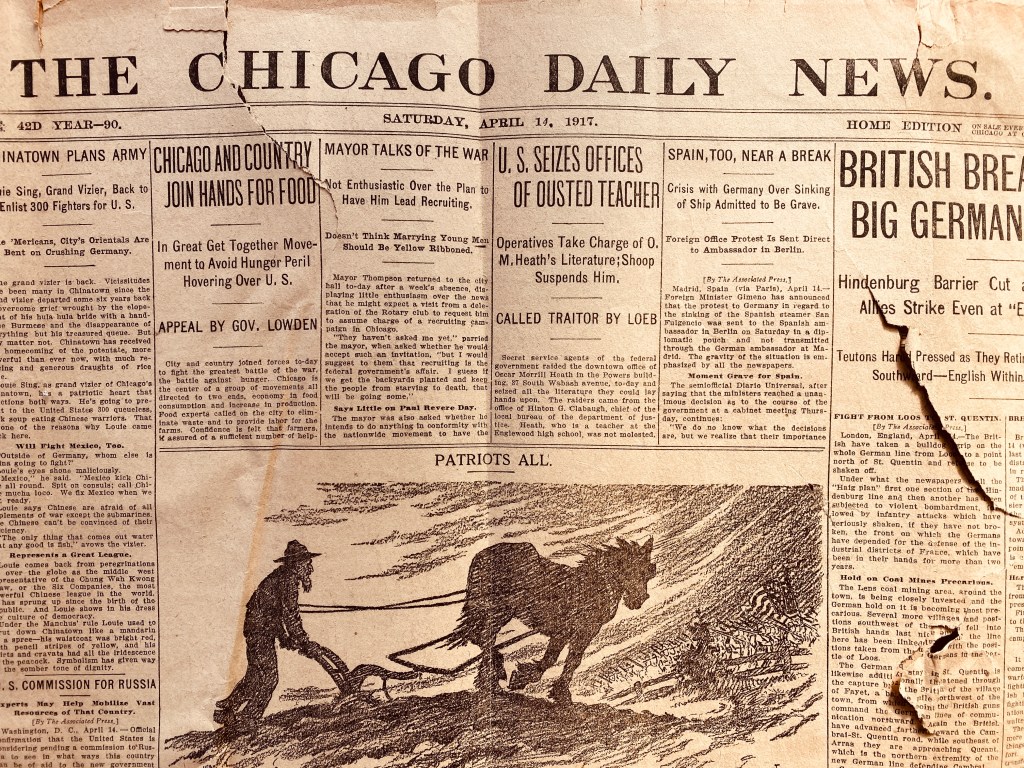
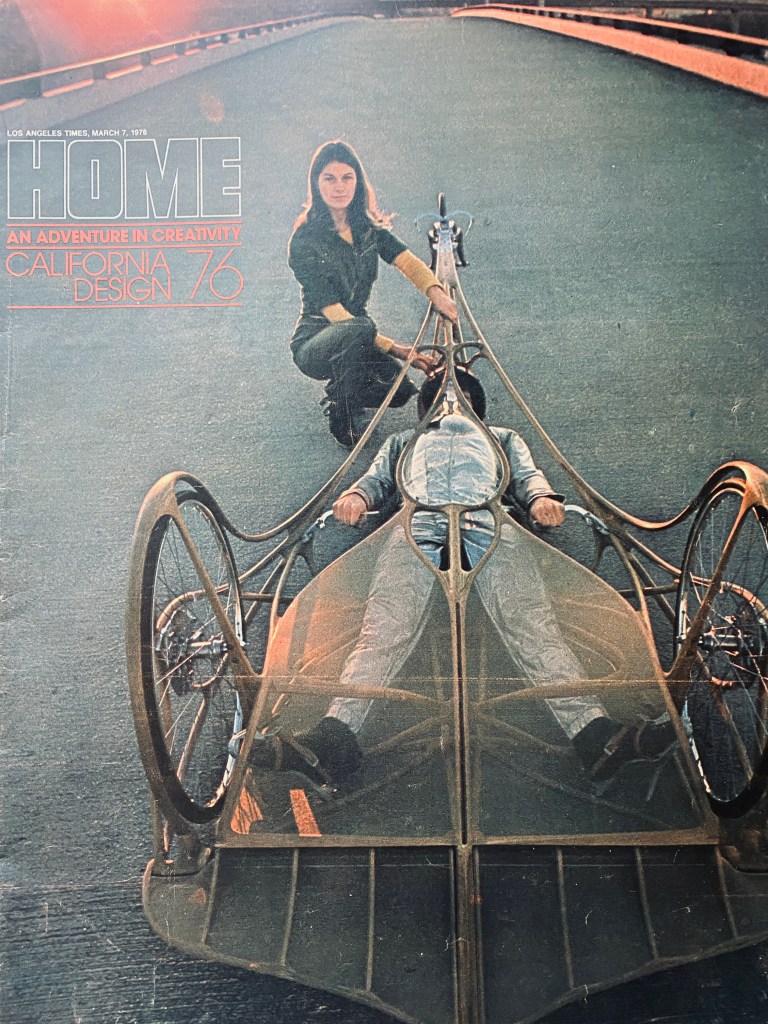
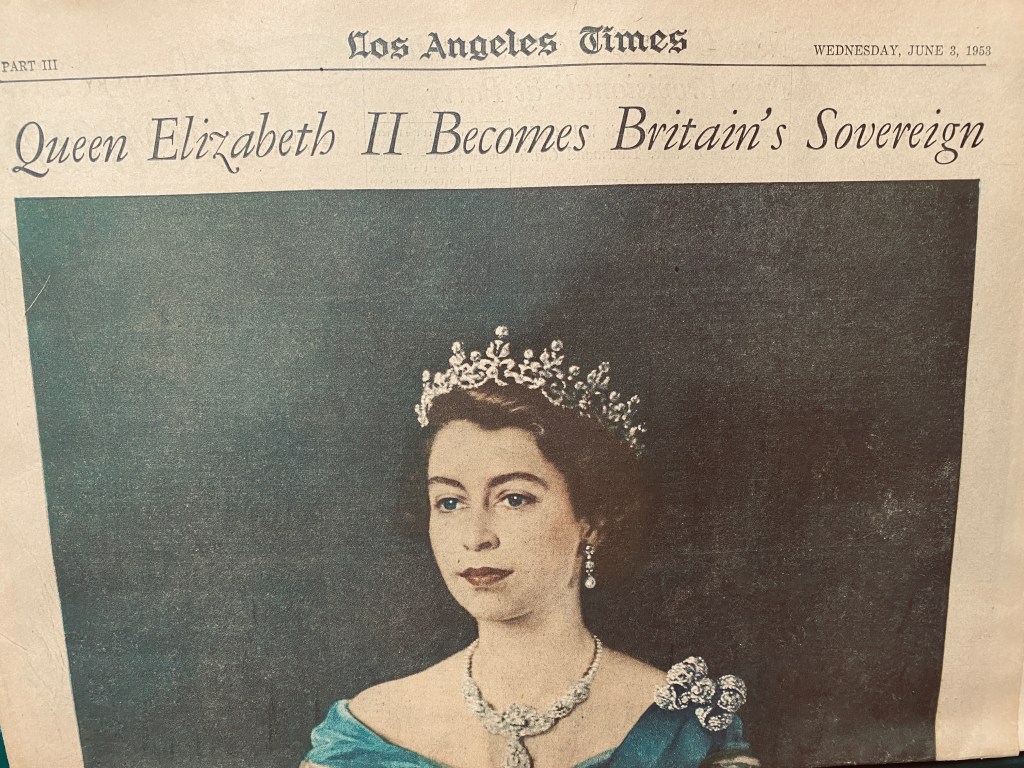
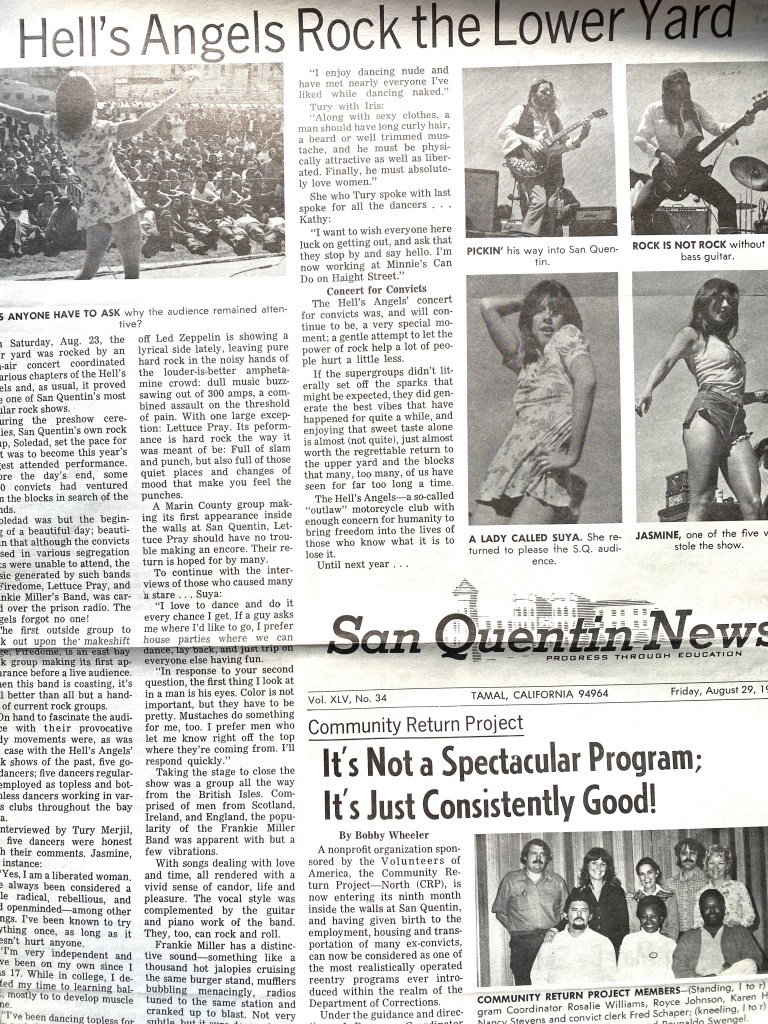
One sub-category of the newspaper/magazine collection includes three years of issues of the San Quentin News, published out of the notorious prison in the San Francisco Bay Area. David had an almost forty-year friendship with the newspaper’s editor (and inmate) Joe Morse. Joe was the longest-serving prisoner on California’s death row and once had a cell next to Charles Manson. Guess who also inherited the bulk of Joe’s lifetime correspondence with his wife and lawyers, and his three murder trial transcripts? My dad did.
John Holmstrom’s Career Collection: My uncle John began making films for The Ford Motor Company in 1970. He traveled the world for decades, from the Middle East to Africa to Europe to Central America to New Zealand to Scandinavia telling stories through documentary filmmaking. His 1977 film Stockcar! was the first feature-length documentary released nationwide in U.S. movie theatres. I have a lot more to share about my uncle’s life and work.
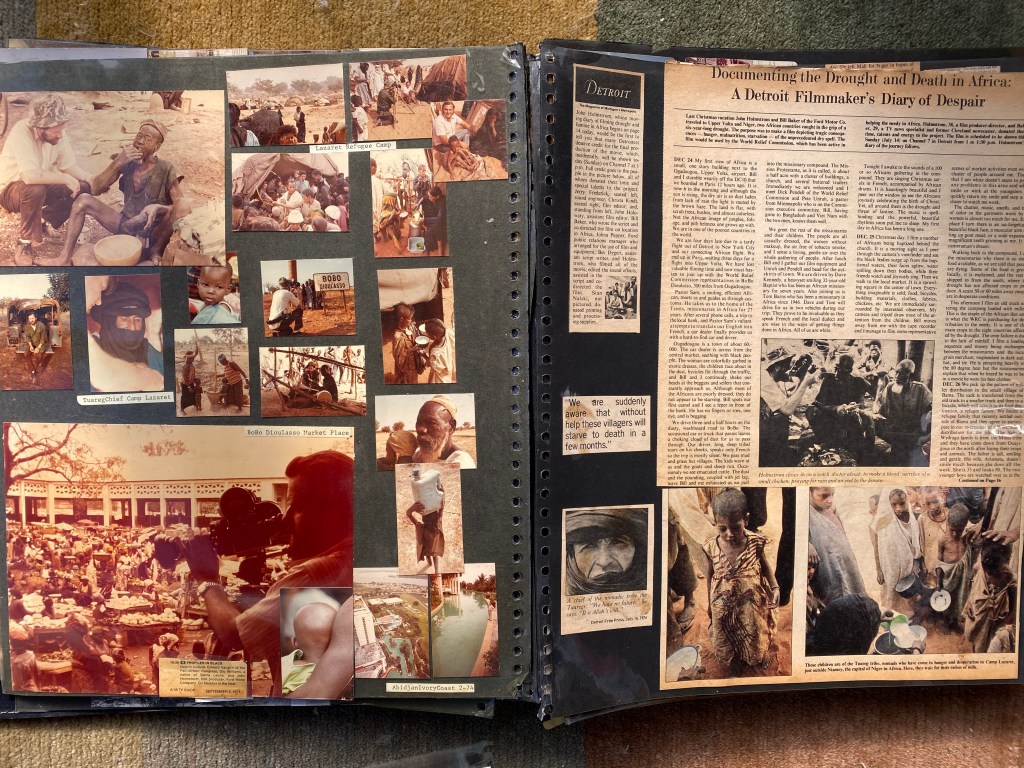
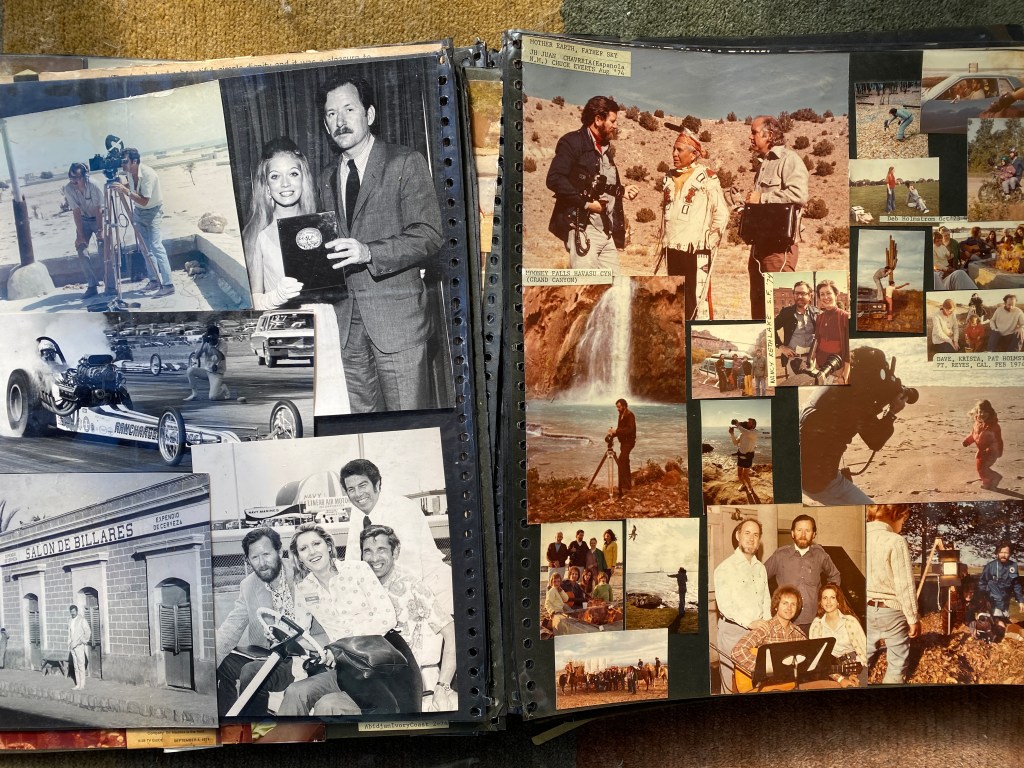
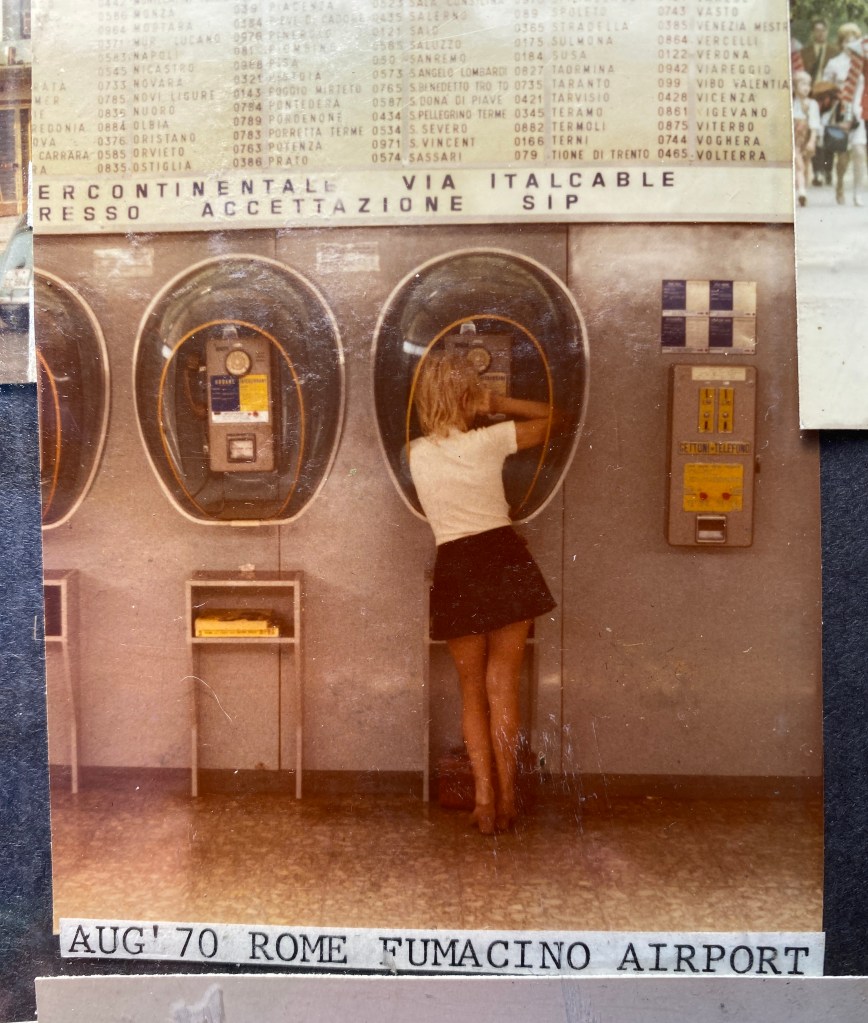
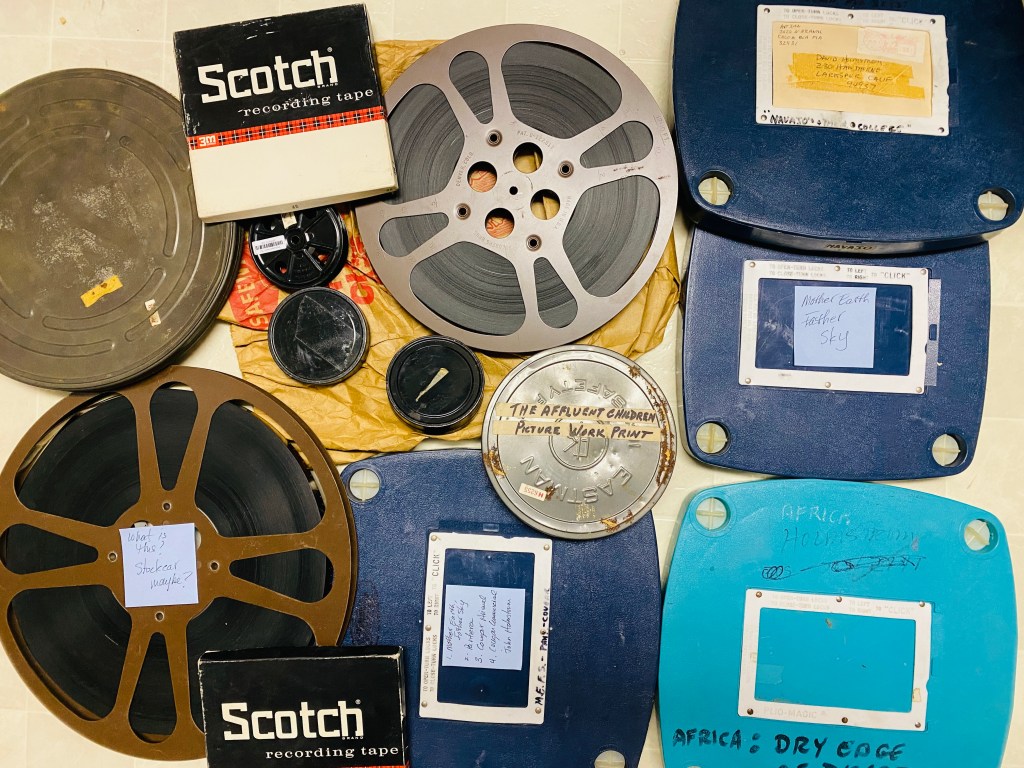
Film: John made films. David made films. John and David made films together. It’s all here. 8 mm, 16 mm, MiniDV, VHS tapes, and audio tapes. Film footage of my grandparent’s California wedding in 1932, film of my great-grandfather’s return visit to his native Sweden in the late 1920s, and footage of my great aunts in the Sahara also from the early 1930s. I’ll be sharing some of this archived film here.
but it seems to be holding up just fine.
Keep visiting this space because I’m going continue this tour of the archives. After all, there is a mind-bendingly diverse array of film footage, documents, items, publications, and books to tell you about.
…and stay tuned for Material Abundance: Part Two which covers more of the materials collection. Projects include David Holmstrom’s photographs of Truman Capote’s hands, candid images of Angela Davis at her June 1972 trial in Berkeley, CA, and vintage Star Trek press kits.
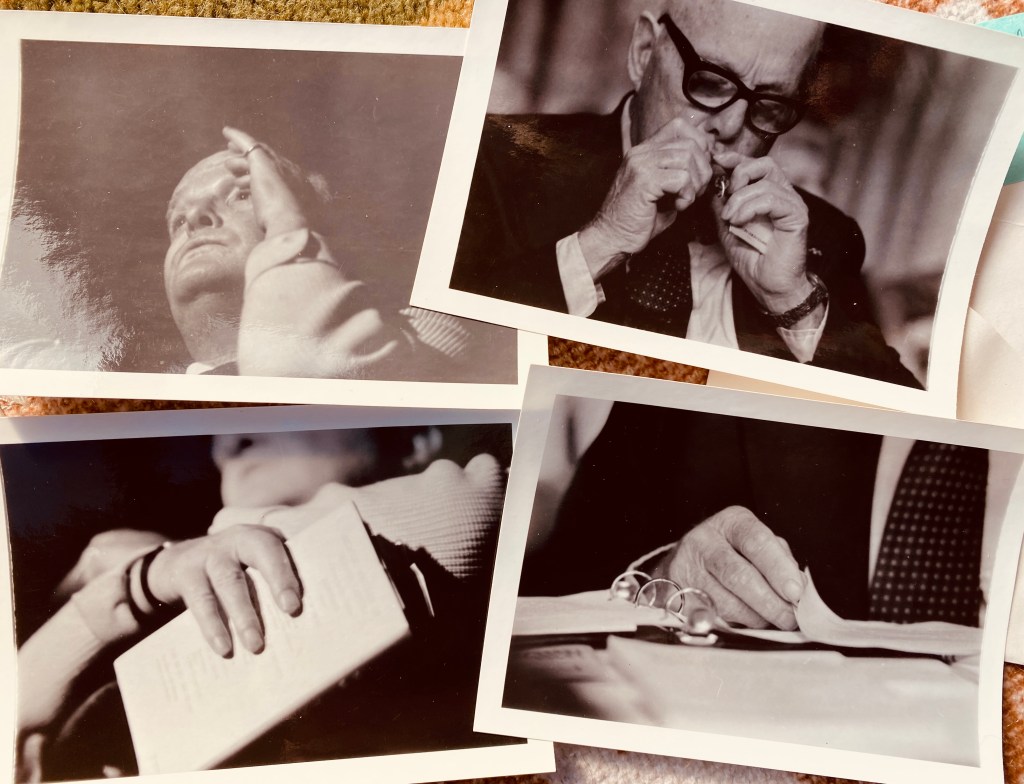
Believe me, there’s probably enough for a Part Three (or more).
 Still...however...maybe...
You must be logged in to post a comment.