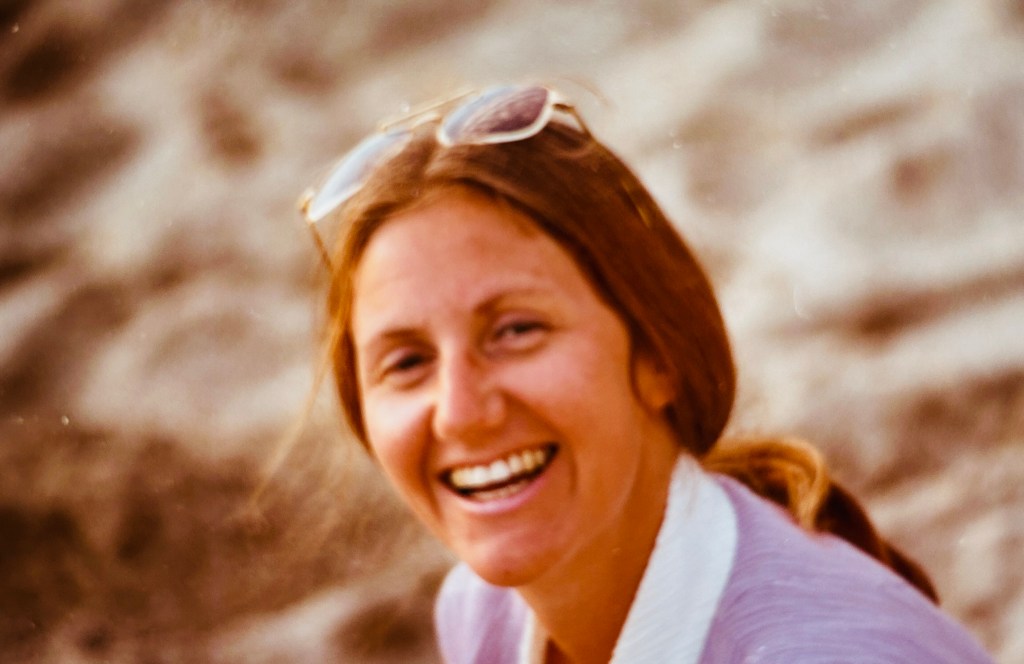
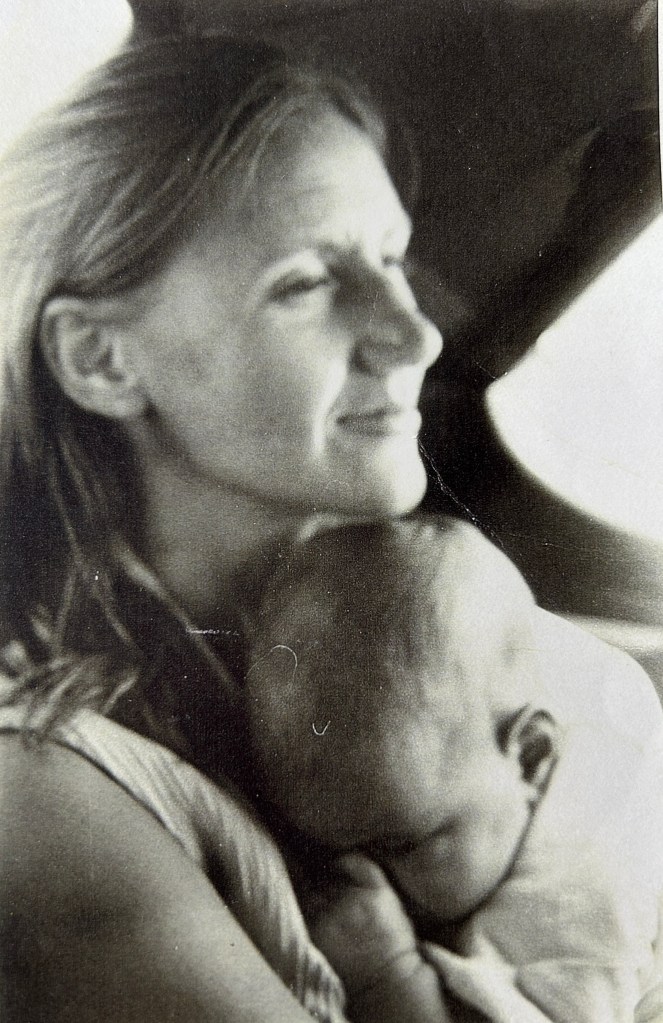
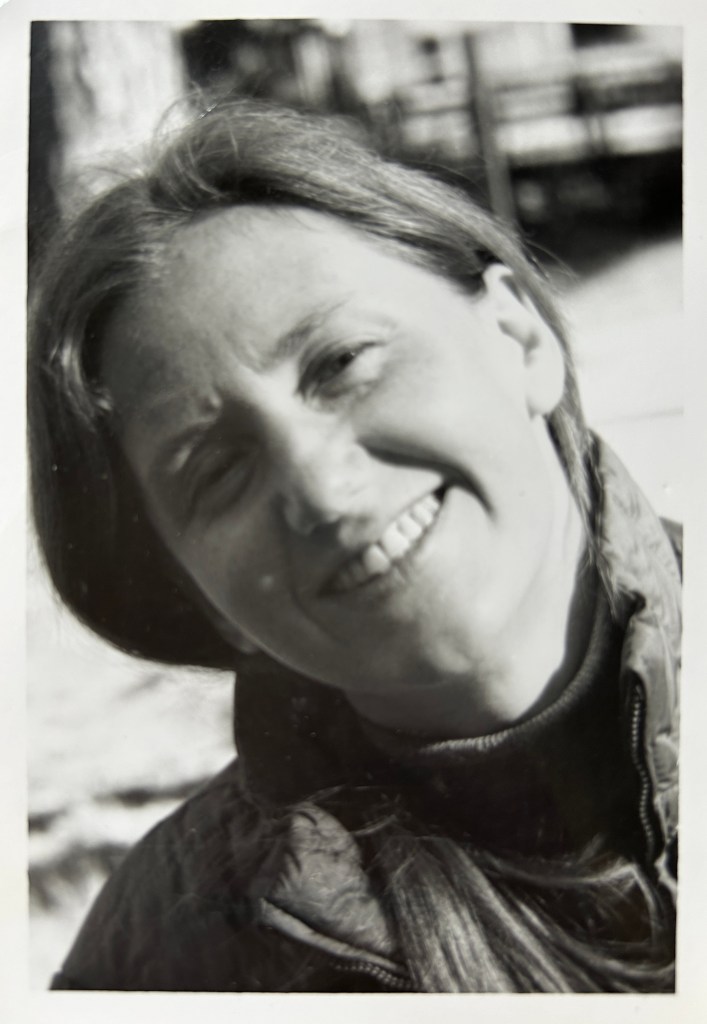
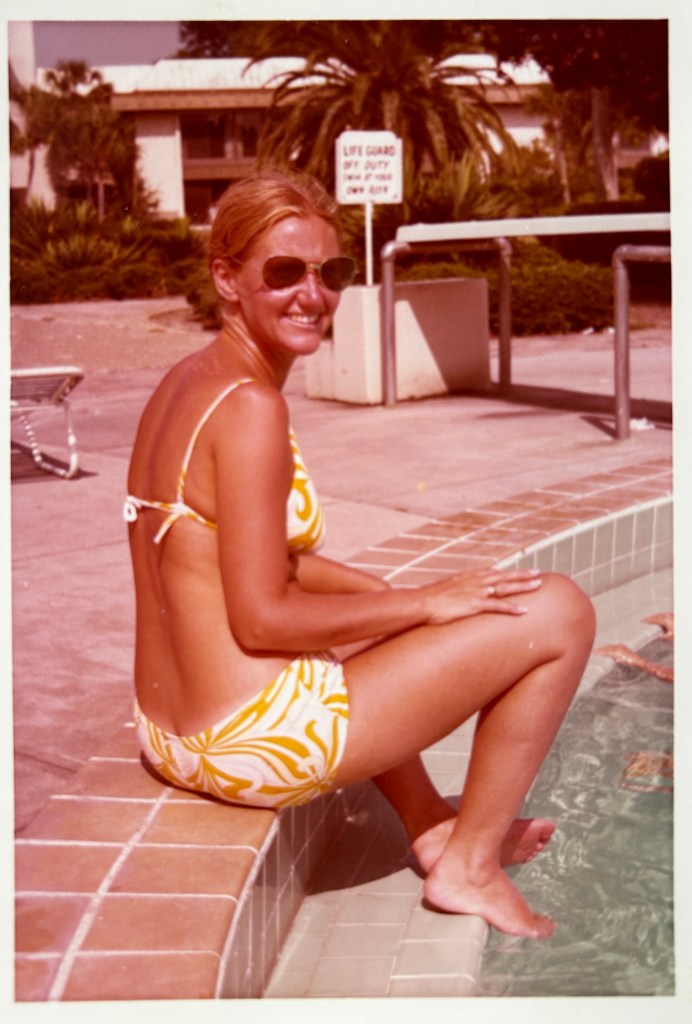
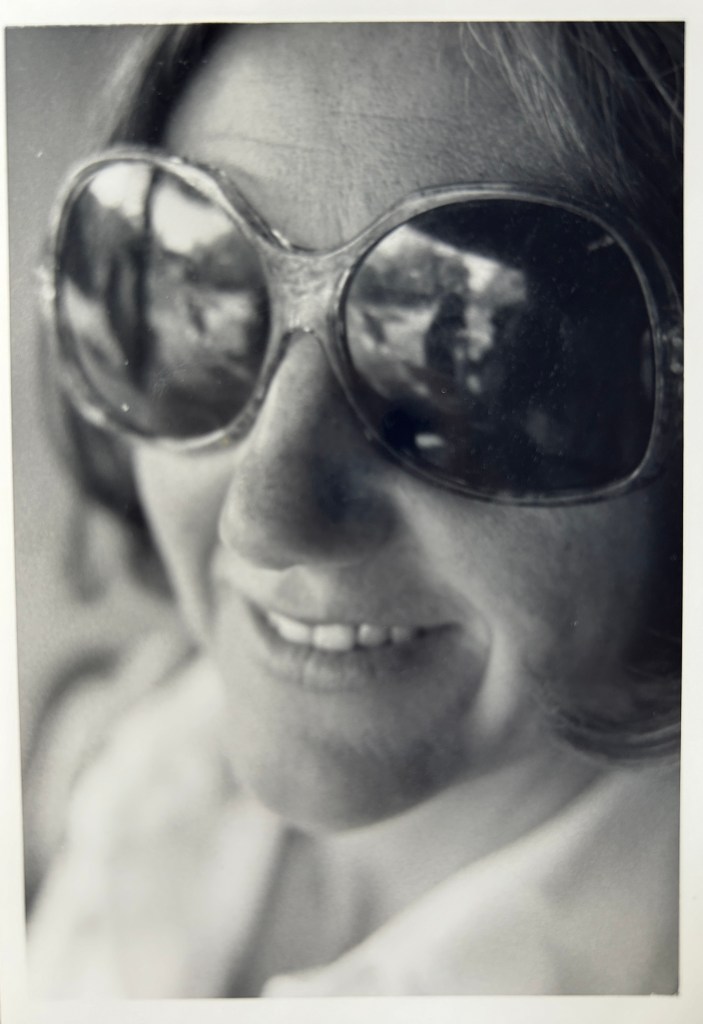
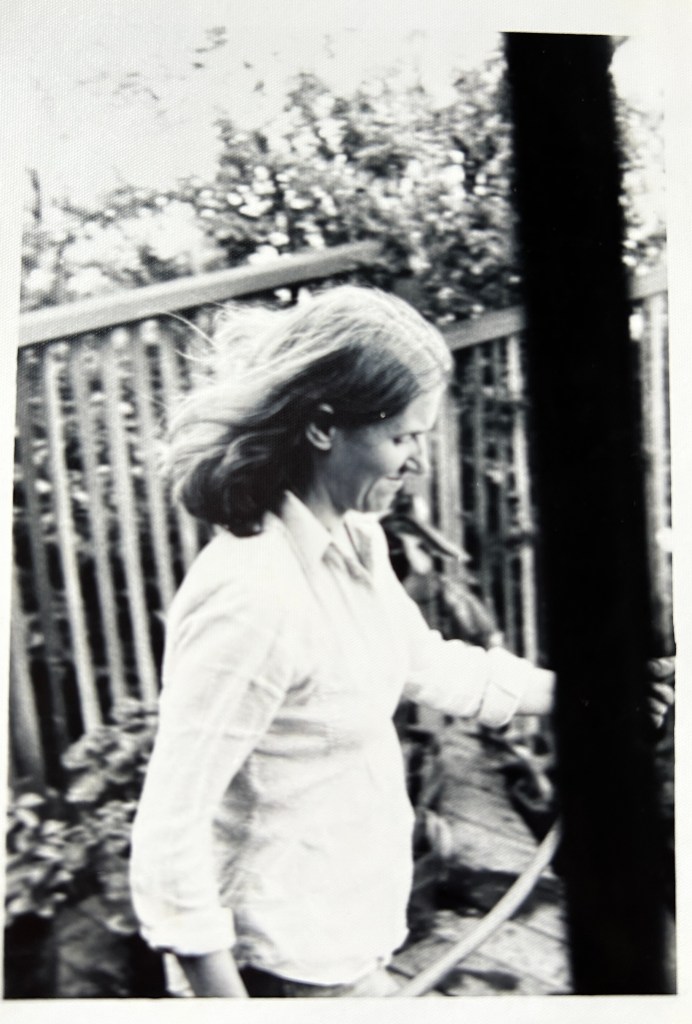
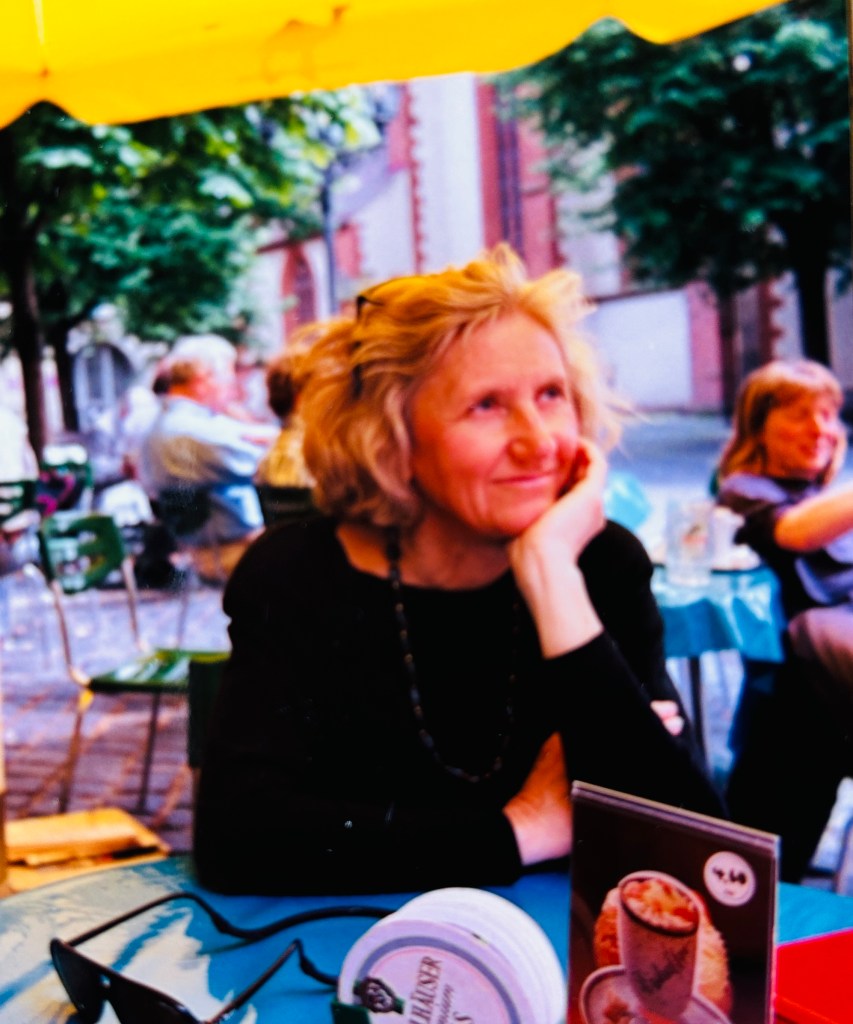
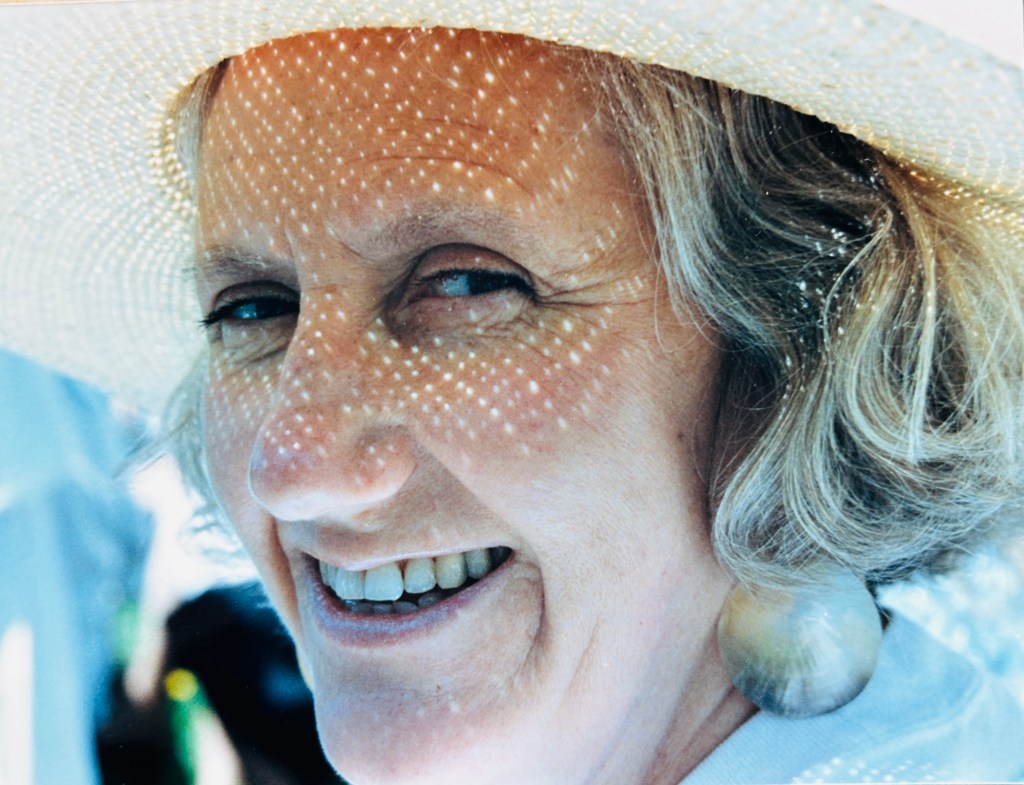
Today, in honor of my mother’s birthday, I will share a hot tip: find a partner who sees and admires you enough to take pictures of you as beautiful as the ones my father took of my mother.
San Francisco, California, 1971
My mother, Patricia H., was an East Coast native who took to Northern California and its terrain and culture like a cat to a warm shaft of sunlight. She stayed for nearly two decades, living and loving. Besides her work as a spiritual healer, she counted caring for me and my dad and tending a large abundant organic Sonoma County garden (that fed our family of three for years) as her greatest joys.
Yosemite, California 1974
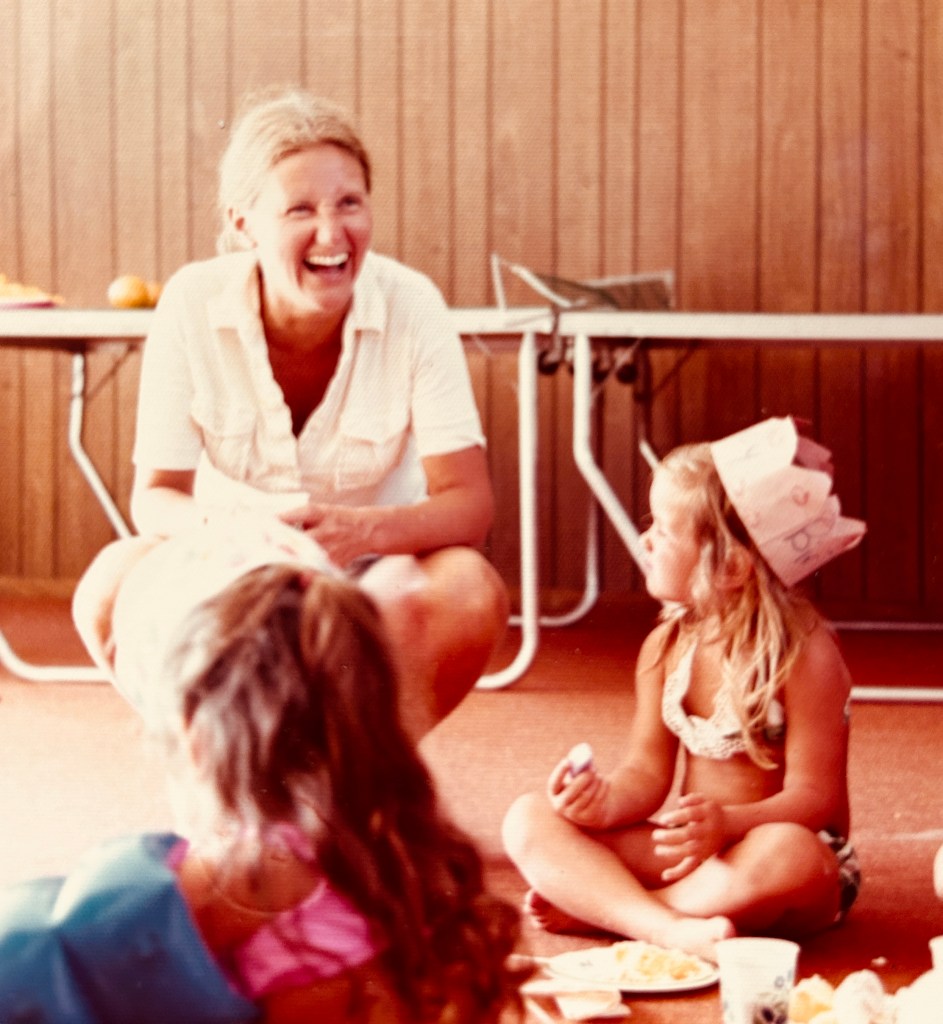
A woman both vibrant and quietly confident, her boisterous grinning laugh used to take over her body while her head bobbed slightly to the infectious beat. She affectionately called me Chickadee and to me, her only child, time seemed to pause while I took in the beauty of her laugh.
Honolulu, Hawaii, 1969
A memory of her laughing will remain forever in my mind’s eye, but I also like to keep a photo of her in the act above my writing desk. In the image, taken by my father, my mother and I enjoy a humorous moment at my fourth birthday party.
Cocoa Beach, Florida, 1975
Unbelievably, my mother has been gone for nearly twenty-one years now. Thankfully, photographs play a vital role in keeping her image alive. My children never had a chance to meet their maternal grandmother but I hope that they can gaze at her photographs (and some video) and imagine her as part of their experience.
1979
Because she still is.
Larkspur, California 1977
My mother’s career as a spiritual healer meant she helped people learn about divine Love. She had a gift for facilitating trust and understanding that resulted in true healing. I often think about how the world could really use her prayers right about now, but I also believe she is still actively sending them our way.
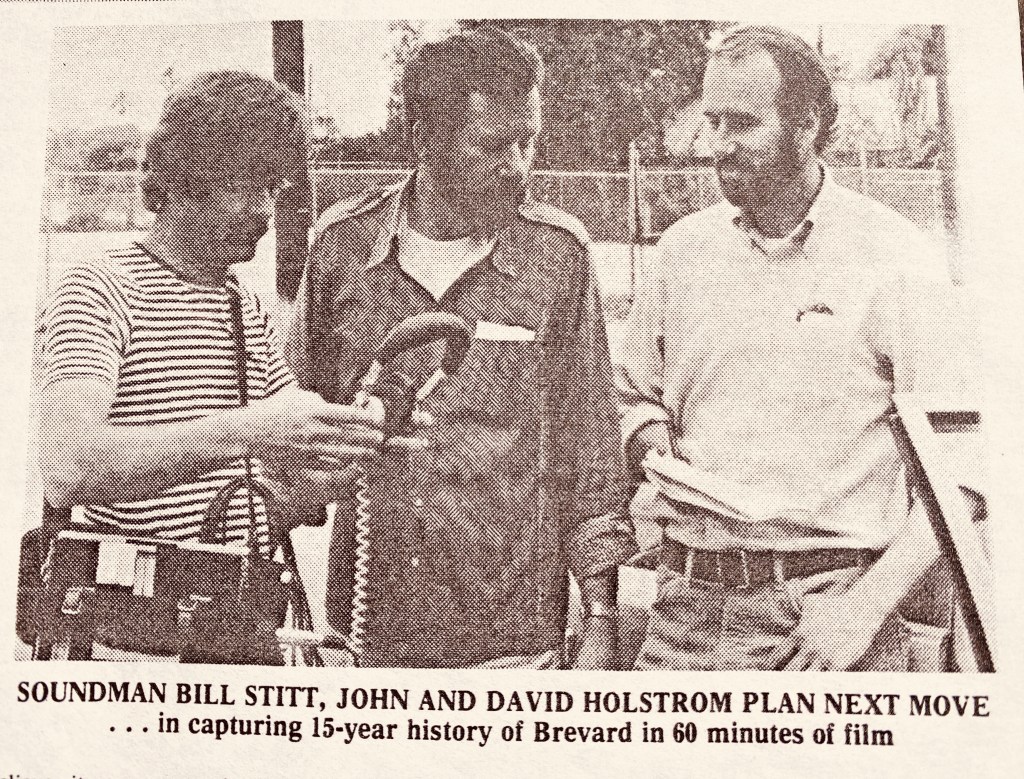
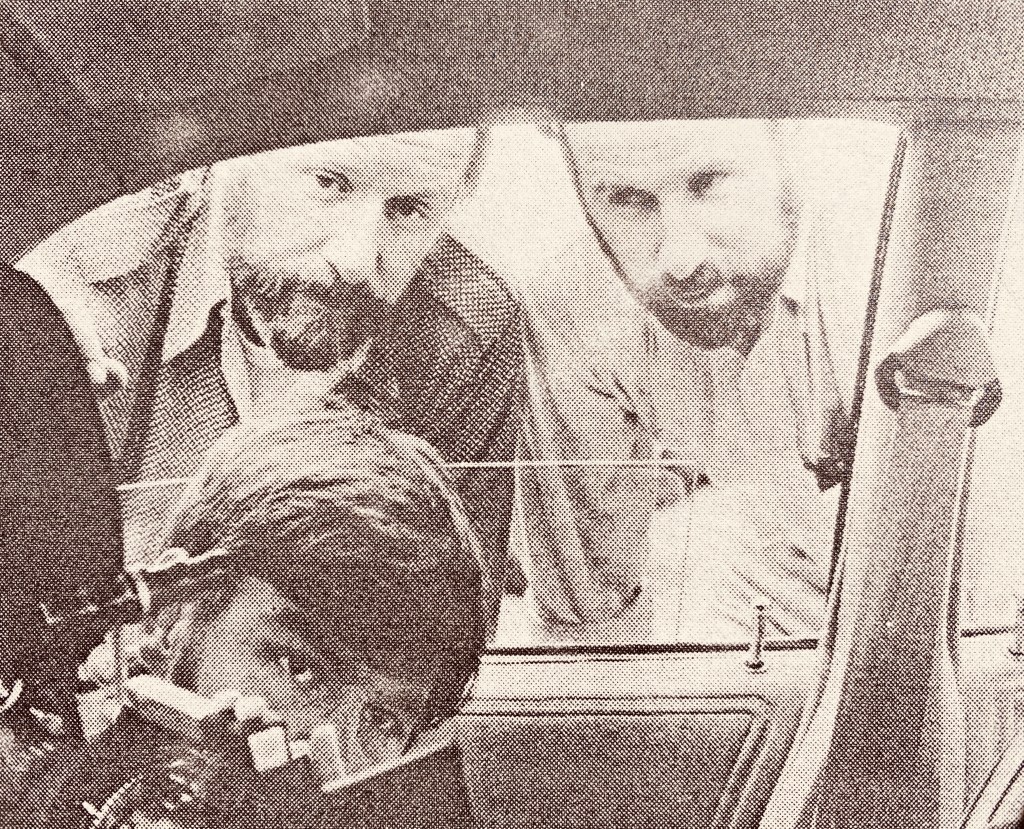
Multiple articles ran in local Florida newspapers about my uncle and dad’s film.
While I’ve always been aware that my parents gifted me with a taste for creative adventure, I’ve never really considered our movie-making sojourn in Florida from my mom’s perspective.
Did my father sit her down one winter morning in 1974 at their rental house in Marin County, California, and say “Patty, we’re going to live in Florida for six months so my brother and I can make a movie”?
Knowing my parents’ relationship, I imagine that it was more of a conversation and less of a declaration since theirs was an uncommonly equitable partnership. Because I was only four at the time I didn’t have much of a say.
All I knew was that my dad flew ahead to Florida with my uncle John to “scout locations.” A few weeks later my mom packed up our red VW Beetle and settled me into the backseat (single seat belt buckled across my lap–maybe) with a stack of books and my portable cassette player. And we were off…driving across the U.S. headed to Cocoa Beach, Florida where we would live for the next six months.
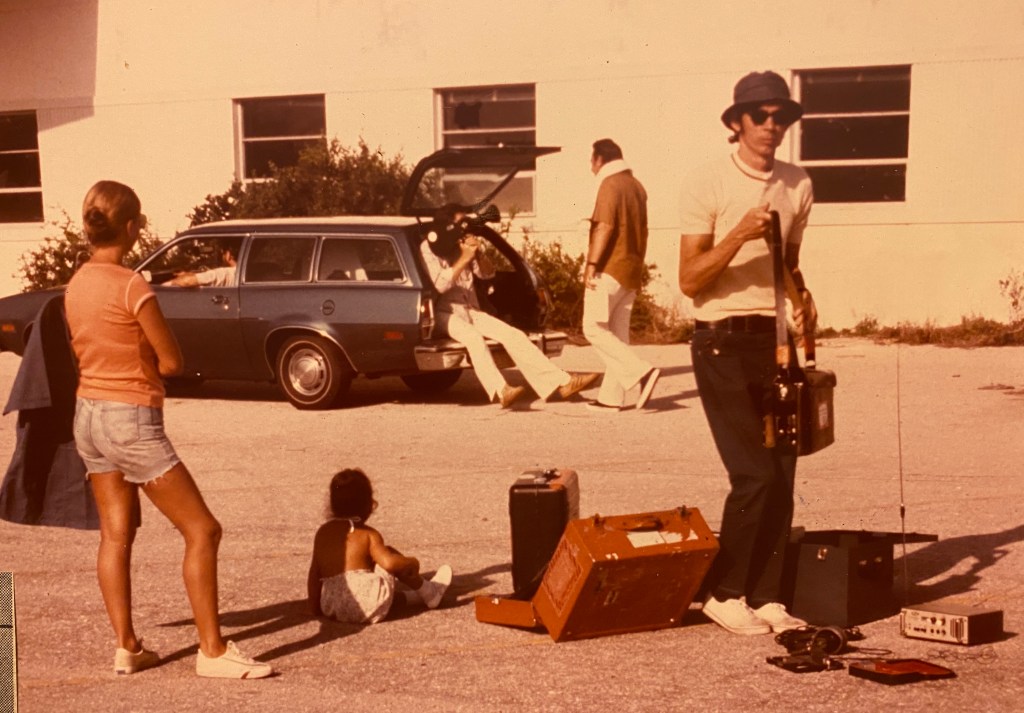
My mom does on-set wardrobe duty while my uncle films, my dad drives, and I observe.
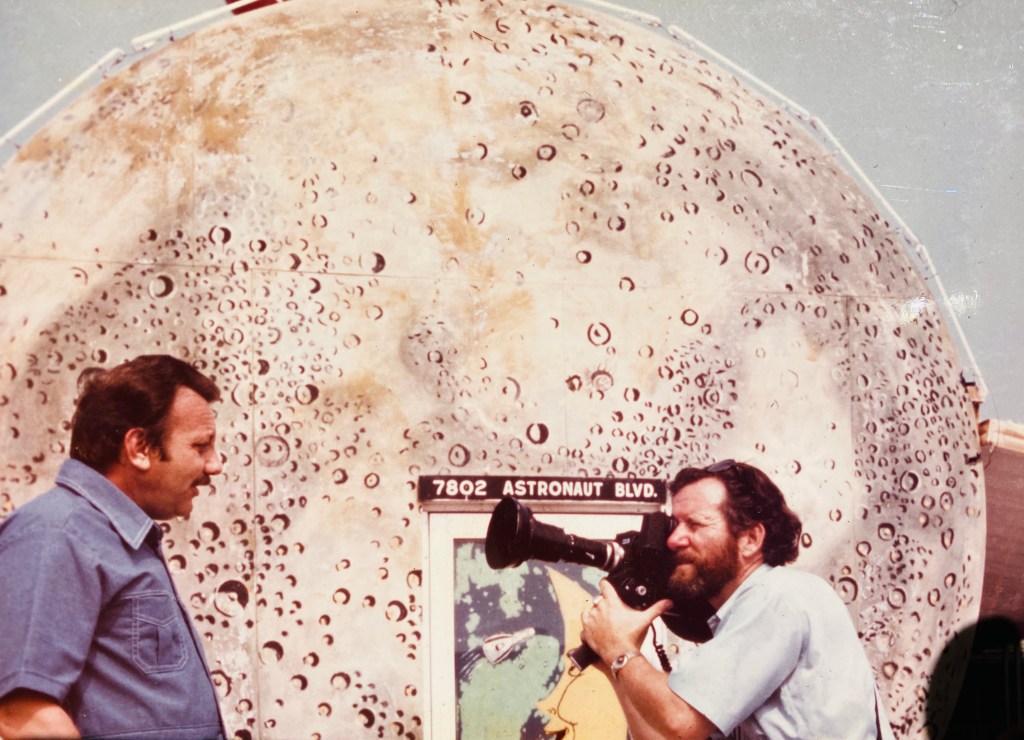
In early 1975 my uncle John Holmstrom was coming off a successful career as a globetrotting Producer/Director for Ford Motor Company in Dearborn, MI. After landing back in his native Hollywood John got to work generating new projects. One of the first to come his way was the chance to film a PBS documentary about the rapid development in Florida’s Brevard County during the “space boom.”
“In the Shadow of the Moon” was funded by an educational grant from the State of Florida (I could say something snarky here about the good old days when Florida willingly invested in education) and WMFE-TV in Orlando and John was the Producer/Director. The plan was to tell the story of how the Space Coast came to be. The area had hurtled through historic growth beginning in the 1950s and at that point (1975) was dealing with the fallout in terms of unchecked urban development, mental health issues for space workers, and (interestingly), divorce rates among the highest in the U.S. at that time.
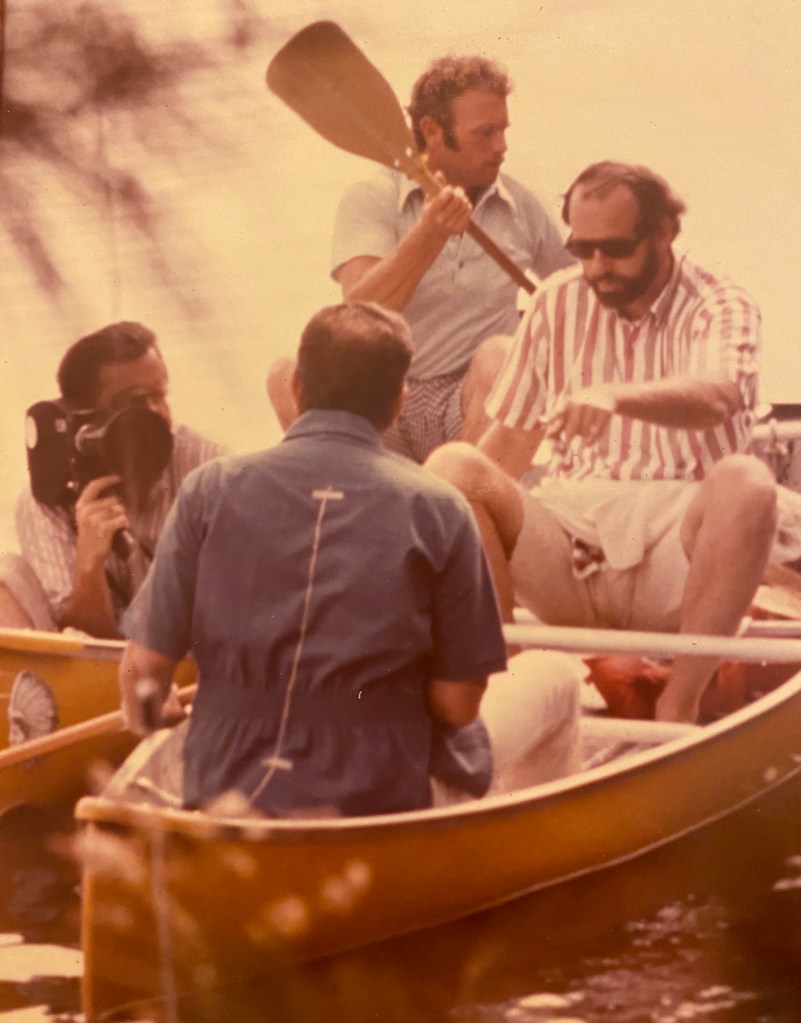
On location in Brevard County. Apparently one of the canoes capsized that day.
John had hired Dave (my dad) onto the project as Associate Producer/Writer. Close in age, interests, and creative temperament, the two brothers worked together on smaller creative projects in Los Angeles, but this was their first real shared professional gig.
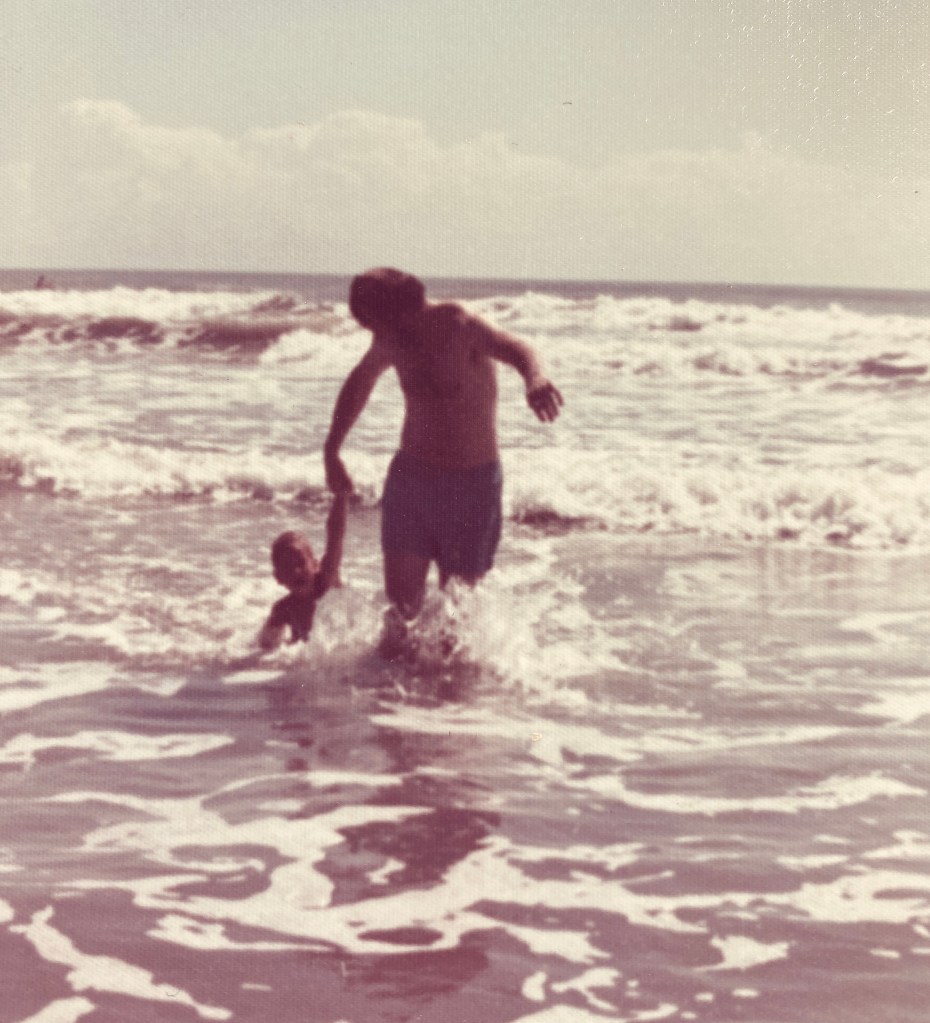
Our time in Florida was the stuff of childhood dreams. My mom and I arrived just in time to move into our rented apartment in a high-rise positioned directly on the warm sands of Cocoa Beach. The waves crashed, the sun rose over the water and the pelicans soared. I celebrated my fourth birthday poolside, saw orcas at Seaworld, and my mama and I spent our days playing in the Atlantic Ocean with new friends. Meanwhile, my dad and John lived and breathed film shoots, interviews, script writing, and editing.
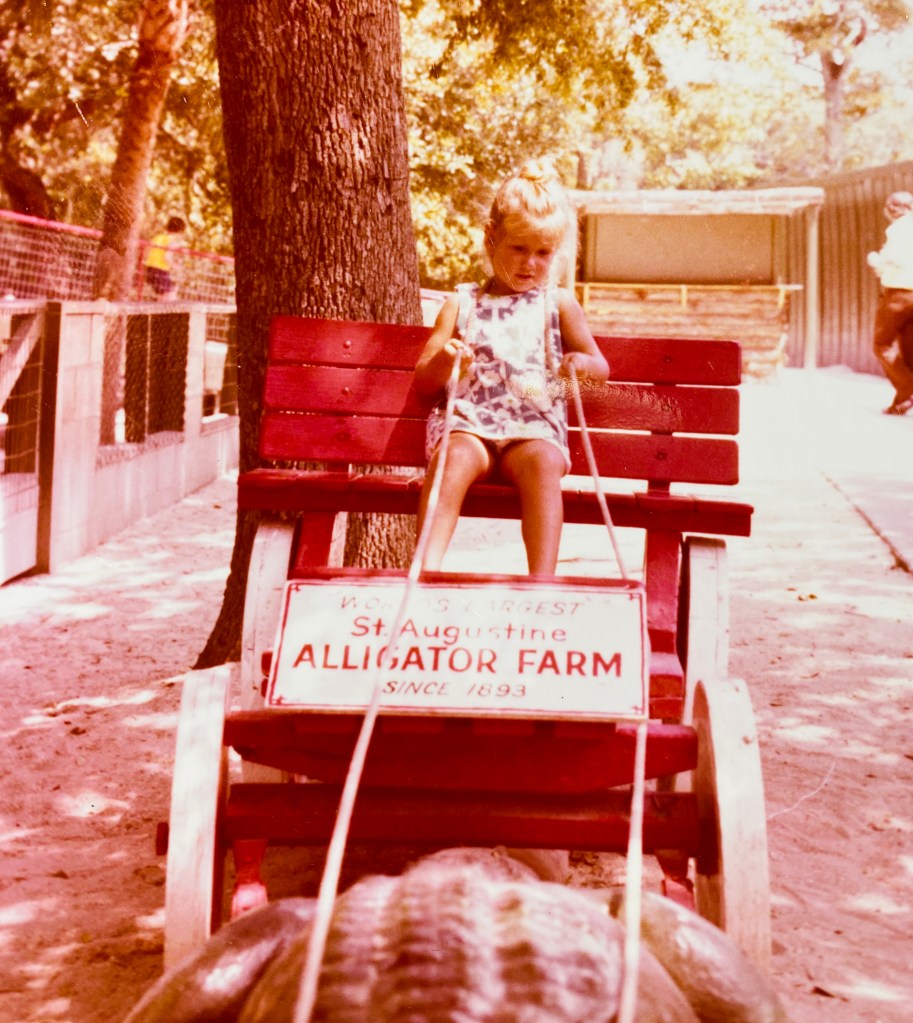
Frolicking with my dad in the Florida surf. You don’t get to drive alligators every day.
As often happens in documentary filmmaking, there were hiccups and setbacks. The budget (100K) was stretched, massaged, and ultimately, met. While I remember a few intense discussions around the dinner table on our oceanfront patio, and phone calls ending in frustrated tones, John and David were completely in their element, tracking down sources, connecting mysterious civil service dots, and wading through reams of research. They were never happier than when they were creating, together.
A TV executive interviewed about the brothers’ filmmaking prowess said “John and Dave are unbelievable. I’ve never worked with movie people like them, who neither smoked, drank, cursed or womanized. And it’s the first film like that that’s totally objective, done by someone with no axe to grind.”
What John and Dave didn’t know at the time was that this “little” Florida film would eventually lead them to the successful co-development of a feature-length film, STOCKCAR!, which in 1978 would go on to be the first documentary released nationally into U.S. theatres. I’ll share the story of STOCKCAR! soon, and hopefully some footage as well.
Six months after our VW Beetle chugged across ten states John and Dave wrapped their film and our Florida adventure came to a close. The documentary ran widely on PBS later that year and even won awards.
Only in retrospect has it become clear that my family’s cultivation and prioritization of creative expression was a rare and valuable gift, one that will inspire and remain with me forever.
I will admit that a family trip to Disney was not at the top of my bucket list. I imagined taking the (by no means insignificant) amount of money spent on a Disney vacation and putting that toward airplane tickets. How about a European destination, or somewhere in Central America where we could experience a different culture and show our young kids unique parts of the world?
I was outvoted.
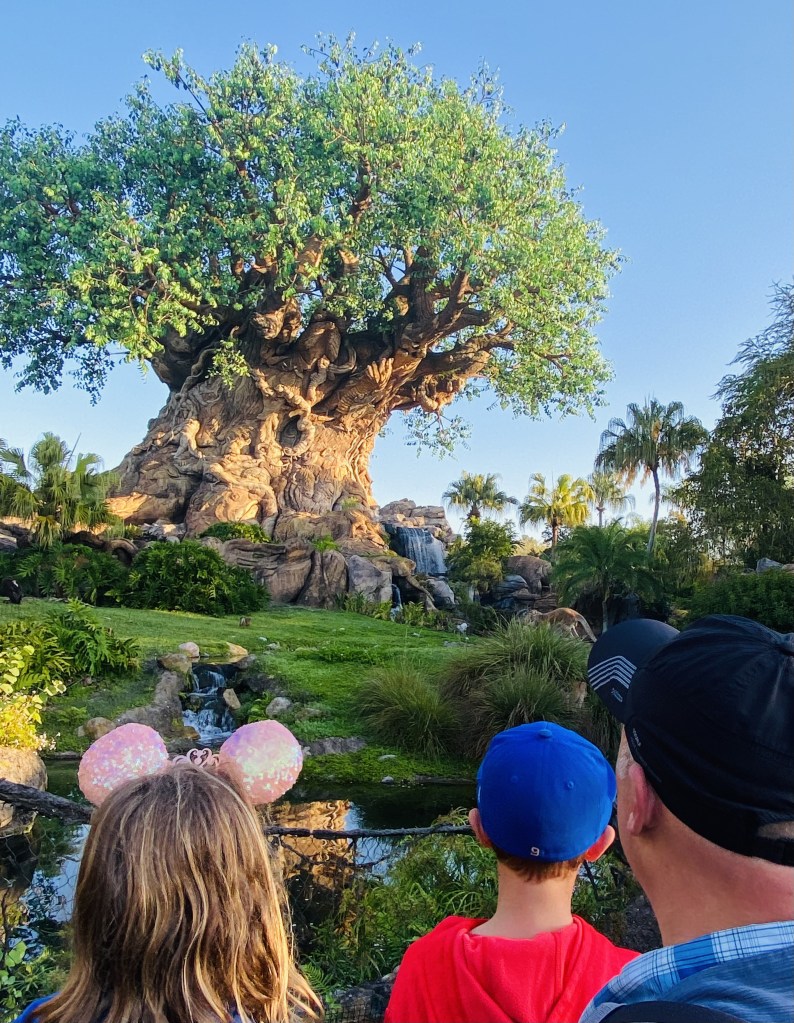
Gazing at the (artificial, yet impressive) Tree of Life in Disney’s Animal Kingdom park.
This is how, last spring I found myself trudging around Florida’s Magic Kingdom, zipping from park to park on the Skyliner, waiting in the longest lines I’ve experienced since traveling in India, and having a surprising amount of fun.
And as my family focused on reservations for rides, Star Wars and Buzz Lightyear, sweet snacks, and roller coaster speed estimations I hunted for…trees. Other flora and fauna caught my eye, as did some artificial trees. It’s Disney, after all.
I’m fascinated by how certain trees (and wildlife) survive in the middle of human traffic and chaos, and there are few places with as much human traffic and chaos as Disney.
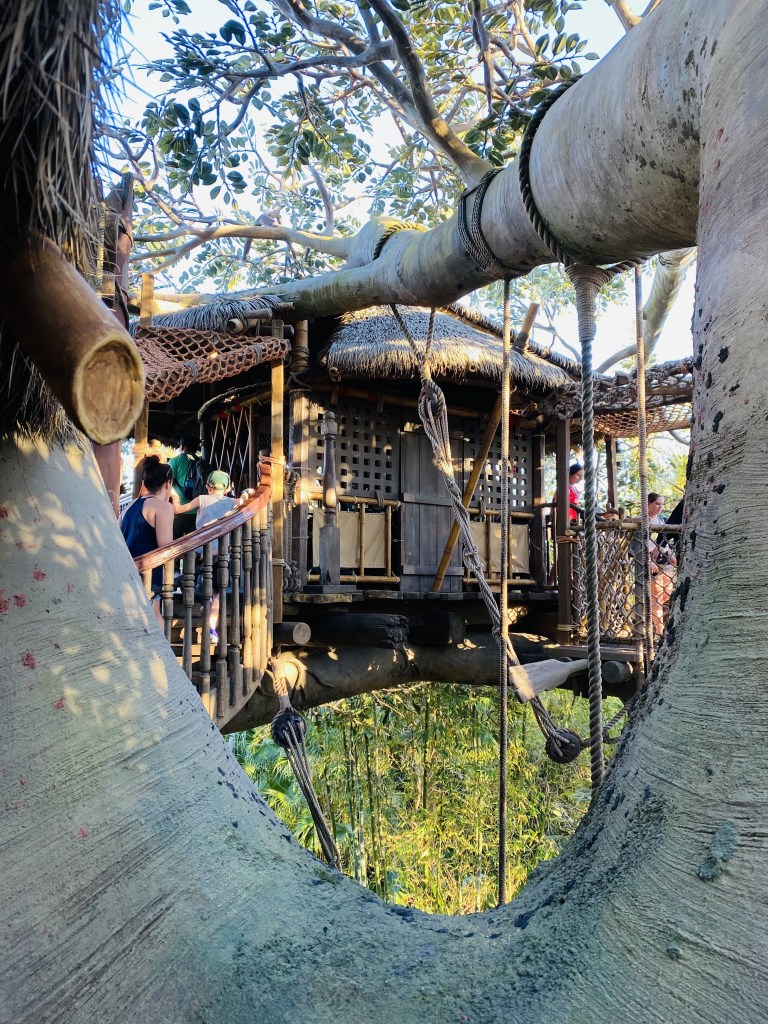
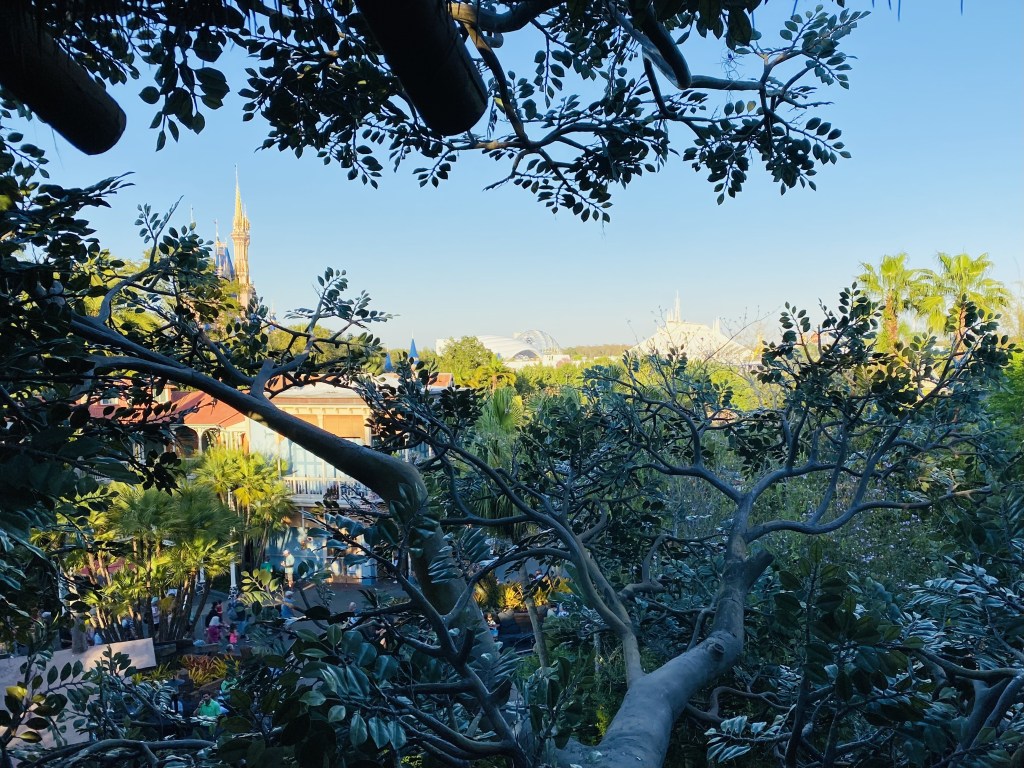
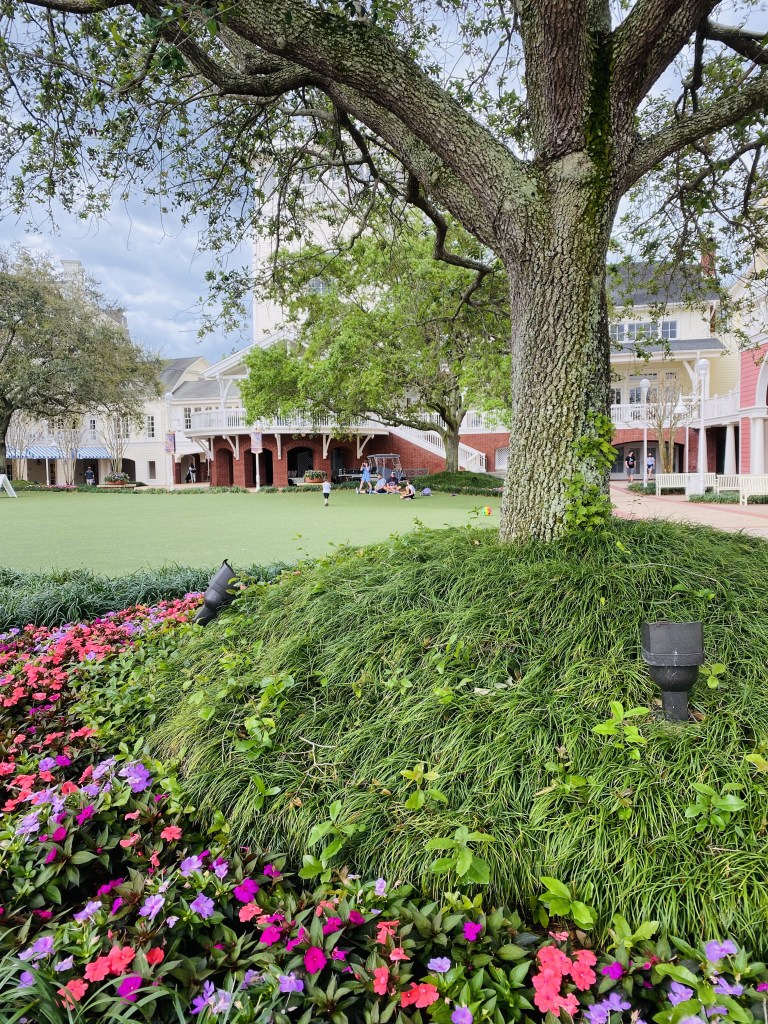
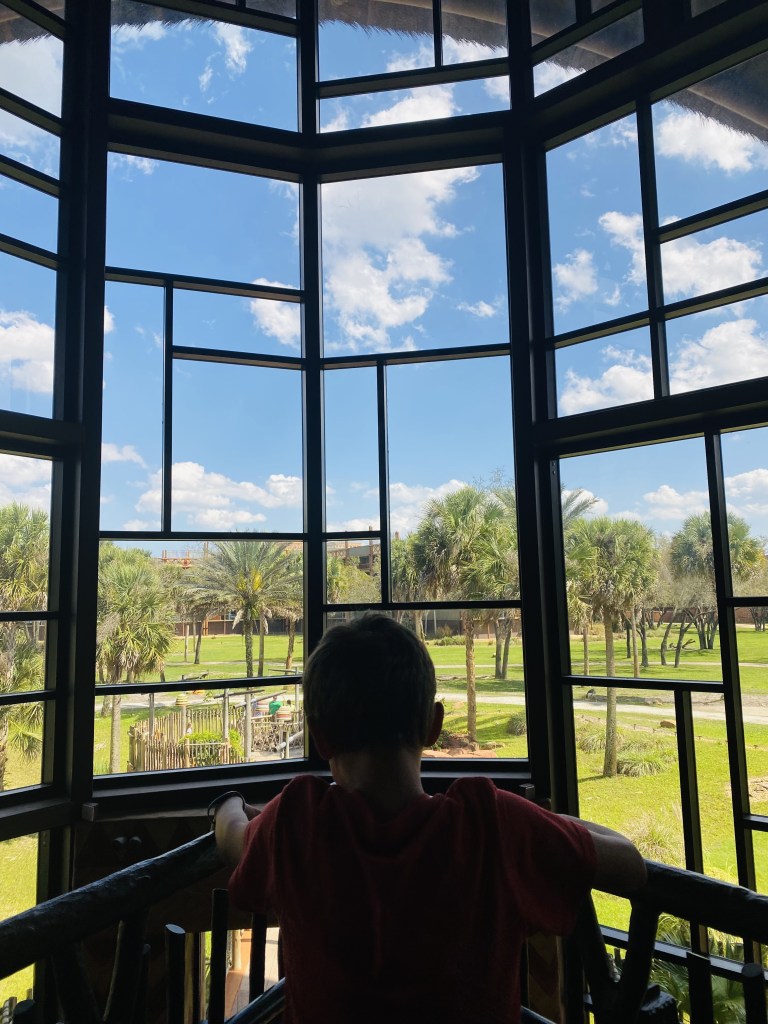
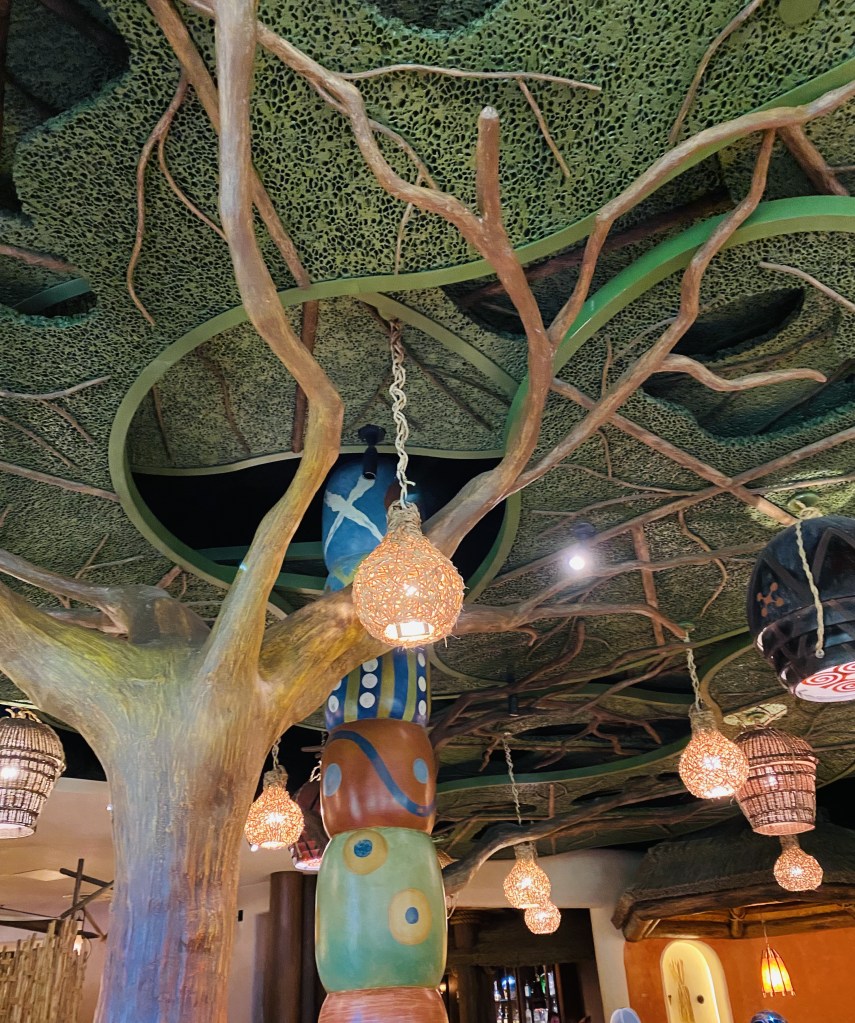
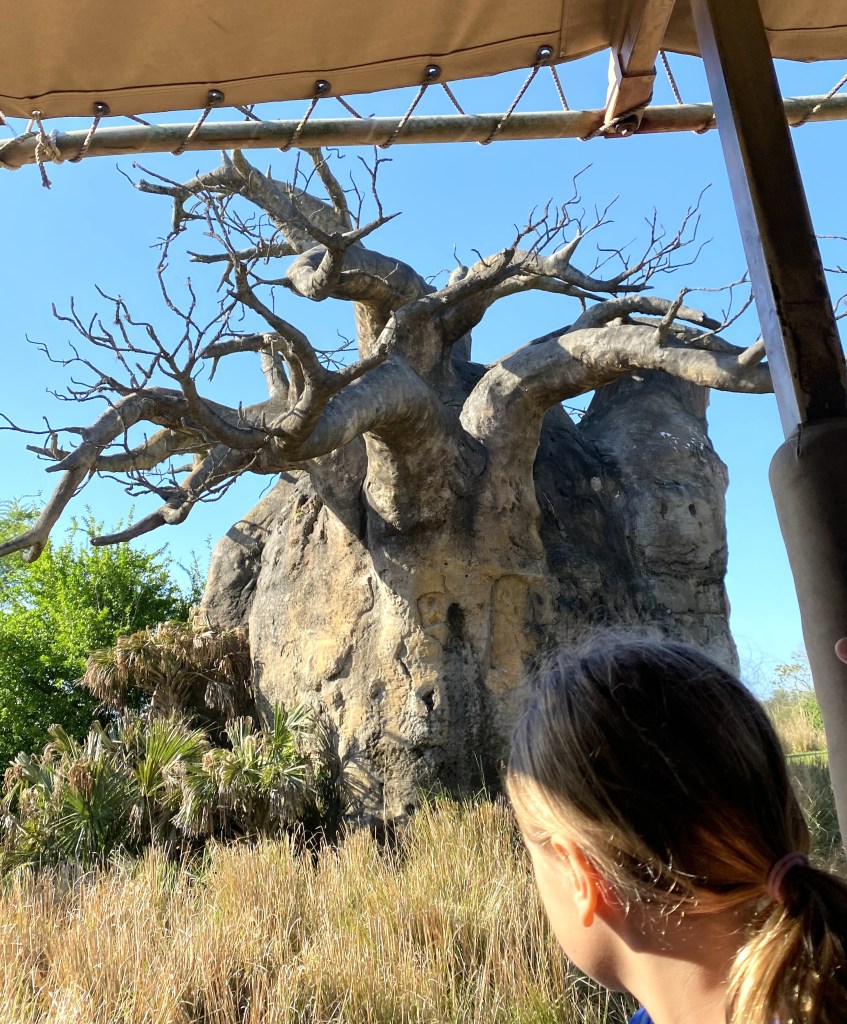
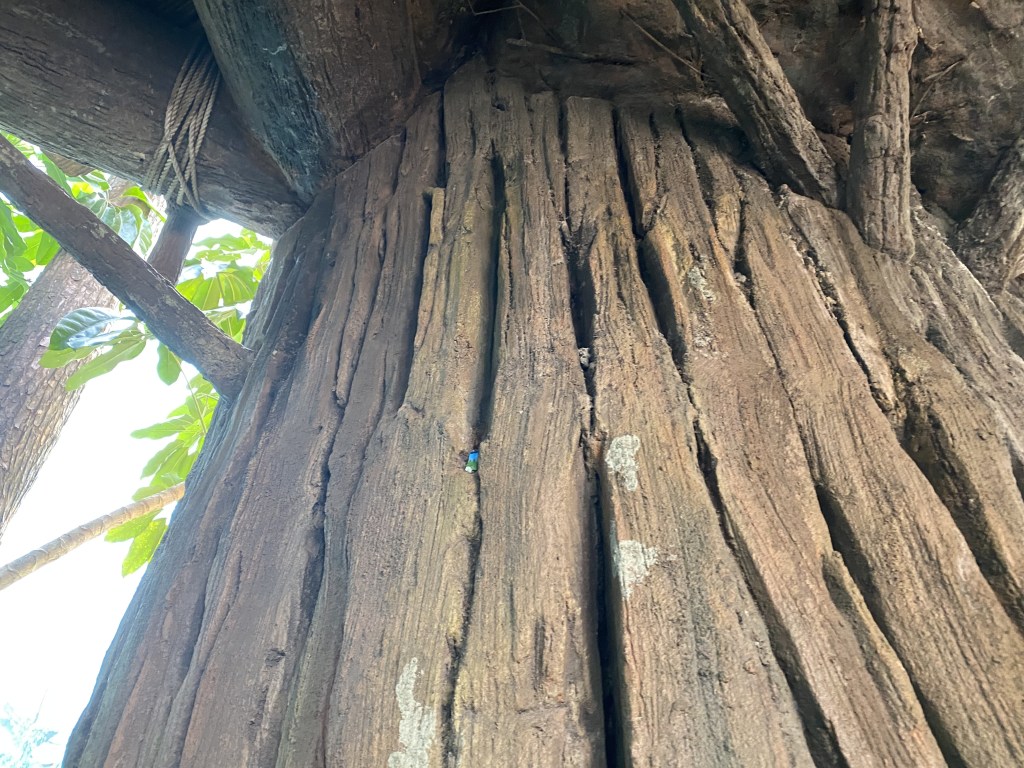
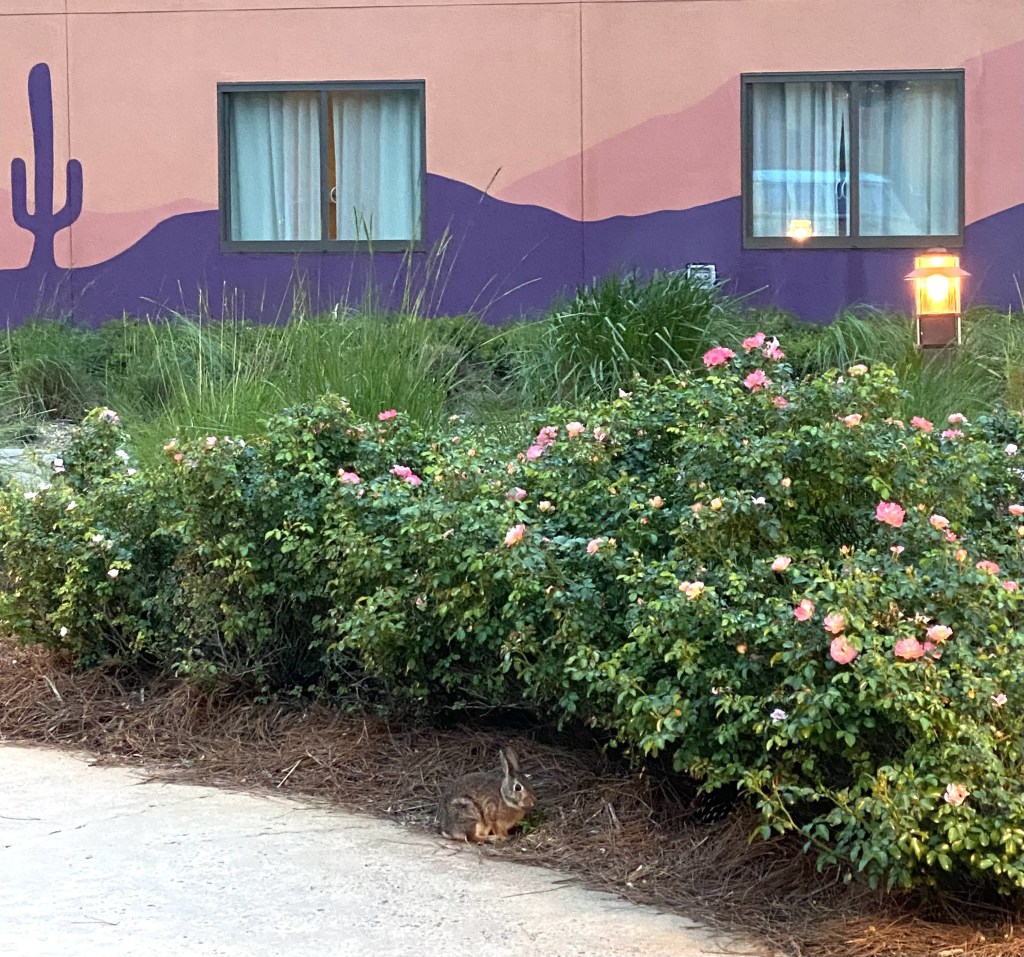
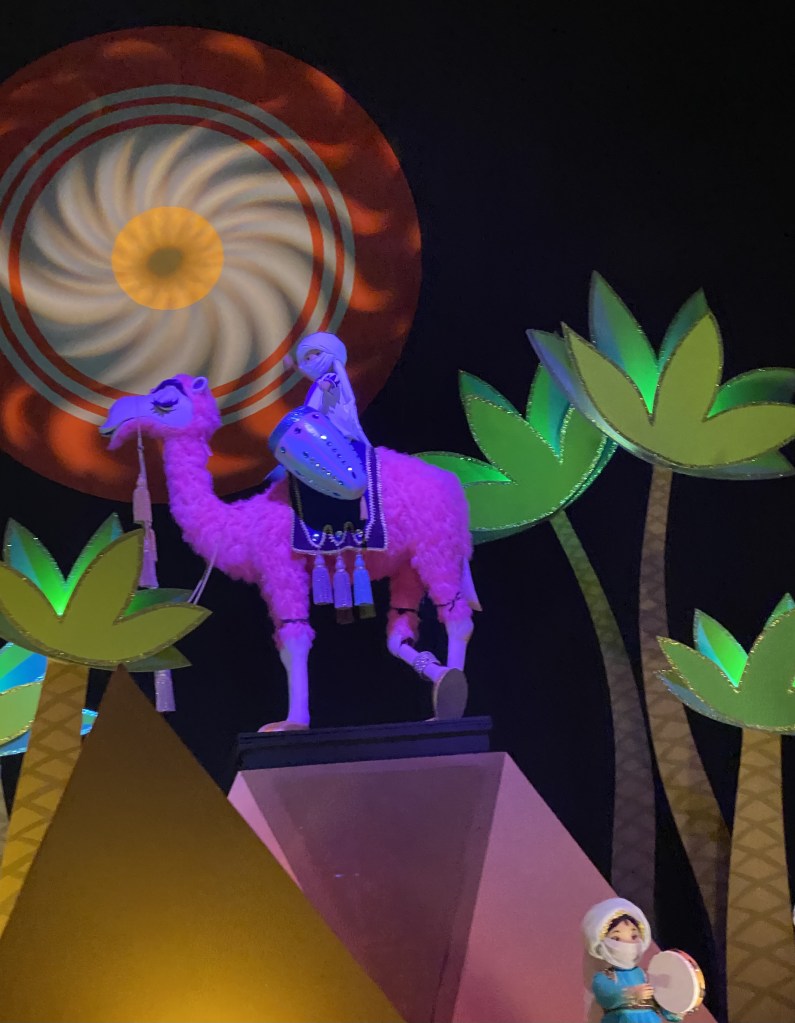
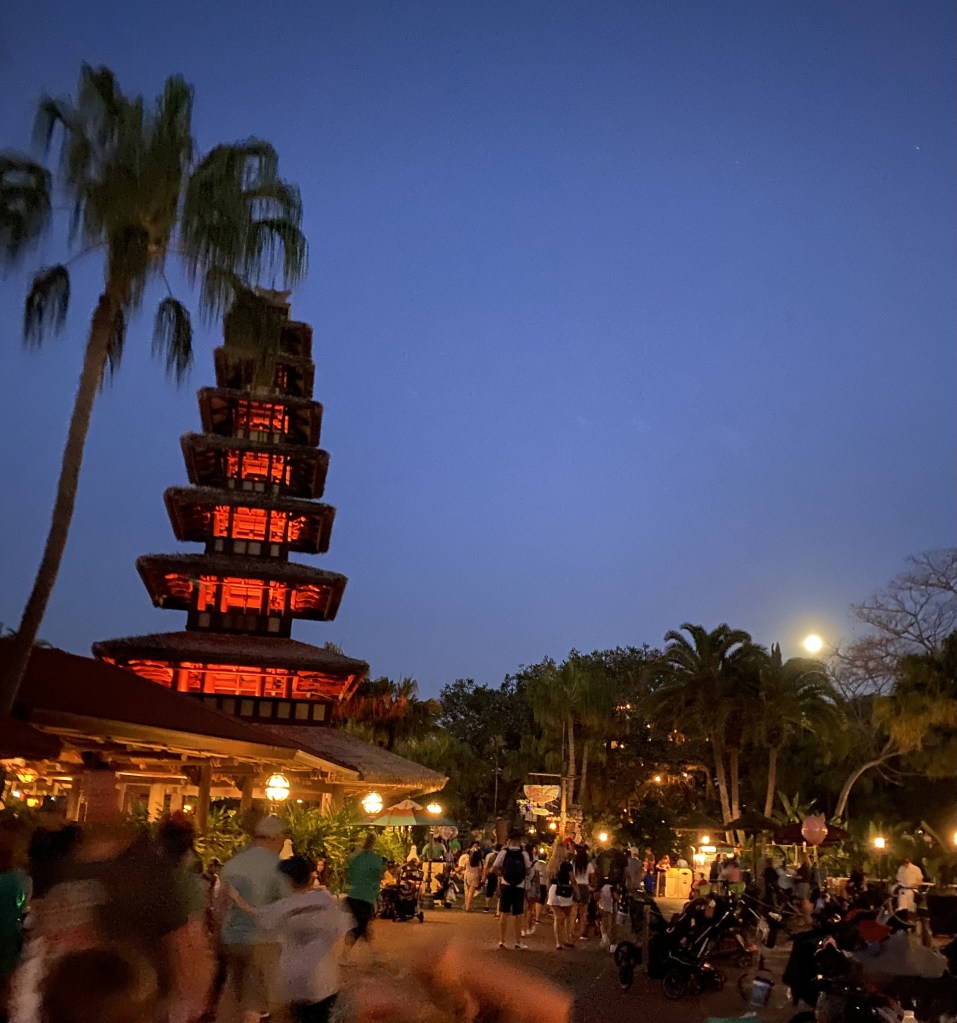
The Liberty Tree Elm in The Magic Kingdom. The original Elm growing in this spot played a real part in history, shading pre-Revolutionary activities under its branches. The Swiss Family Treehouse “ride” was built in 1971 and still entertains today, concrete trunk and all. Late afternoon view of Tomorrowland, as seen through plastic foliage. Keeping watch over the croquet lawn near Disney’s Boardwalk area. Viewing the trees and wildlife at Disney’s Animal Kingdom Lodge. Tree installations at Sanaa restaurant in the Animal Kingdom Lodge. A fake Baobab tree is better than no Baobab tree. Is a fake redwood better than a real one? Not so much. Can you spot the wildlife in “Cars” village? The “It’s A Small World (After All)” ride even offers trees. Night falls on trees, pagodas, and tired park visitors.

 Still...however...maybe...
You must be logged in to post a comment.