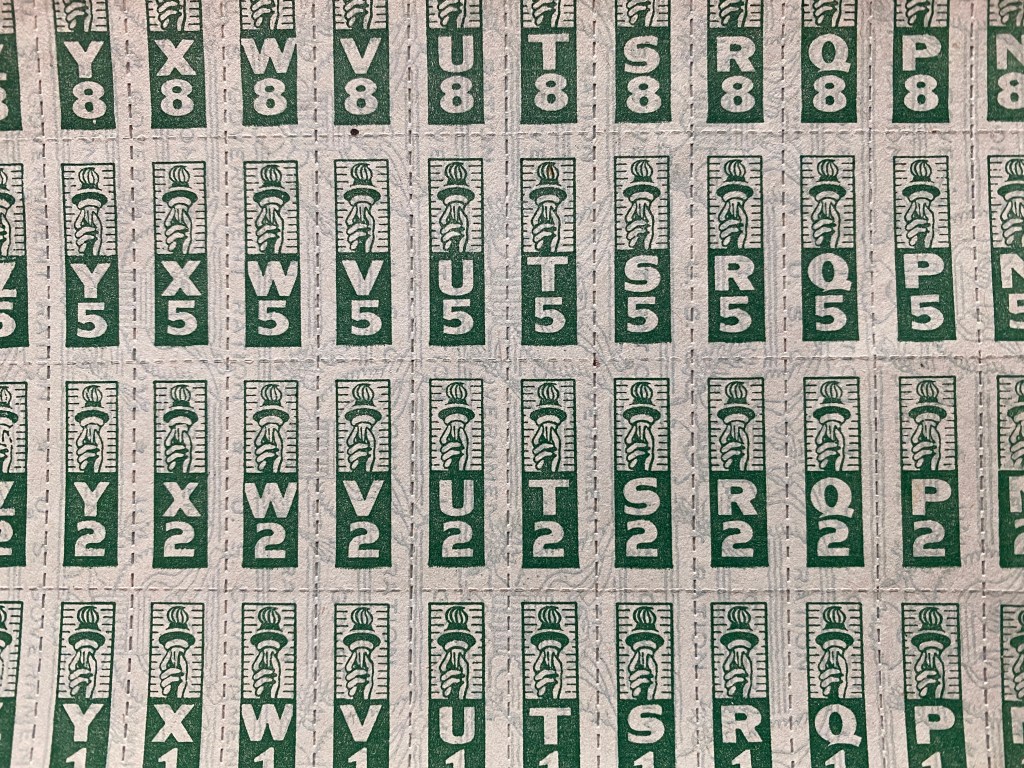
In 1993 I took a college course titled “Literature of the Vietnam War” at The University of Massachusetts at Boston. The class was taught by a youthful and eager Assistant Professor of English who made admirable attempts to guide frequently heated class discussions. Nearly every segment of Boston society was represented in the class, which is part of why I remember it so vividly. Young men and women from South Boston (a traditionally blue-color community that often leaned Democratic), three or four ROTC folks, a handful of both young and non-traditional aged students from Boston proper and other surrounding communities like the South Shore, one actual Vietnam Vet, and me (a restless California transplant doing her best to achieve grades that would allow a speedy transfer to the higher-profile UMass Amherst).
Because Bostonians are often opinionated talkers and because I am not, I hardly dared to say a word in that class. I believe the only time I spoke was to mention that my father had served in the Navy and was also vehemently against the idea of war in general. Everyone looked at me quizzically and then continued debating the true toll of PTSD and the legitimacy of draft dodgers and protestors.
Thinking back to that class, I wish I had done things differently and said more (truthfully, there are countless things I wish I’d done differently in my twenties but let’s stay with this one for now)… I should have shared more of my father’s story, because I now see that his tale of service is an interesting one, an important one, and most of all, a rare one.
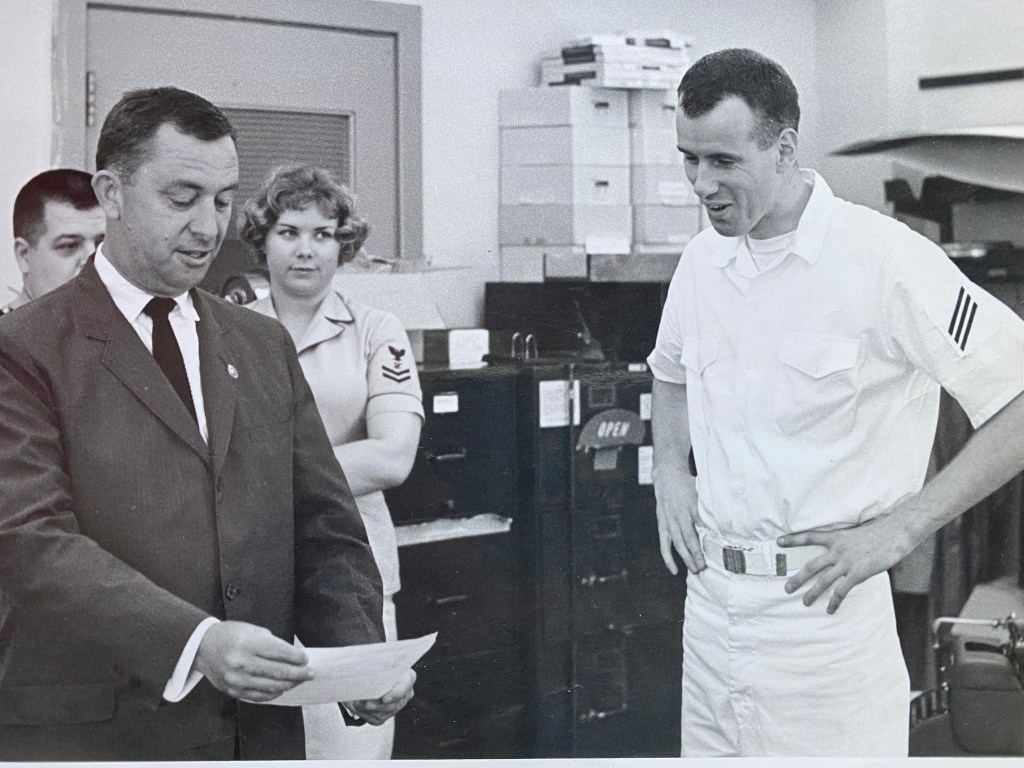
in a ceremony at the Pentagon in 1963.
In 1961 my father David Holmstrom was drafted out of what had been an academically rigorous yet comfortable midwest college experience and into the Navy. His letters to his parents back home in Los Angeles glossed over the gory details of Basic Training but did mention that he “flunked the Officer Aptitude Rating (OAR) test because I kept setting the warships on a collision course.” Somehow, the Naval brass must have figured out that David could write because upon graduation he was assigned to the Pentagon in Arlington, VA.
Prior to being drafted, David’s opinions about war, bloodshed, and politics were budding and mild, not yet fully formed. Growing up in Los Angeles in the 1950’s, his high school classes were some of the first to be integrated, and his parents voted more conservatively than he did. He made a black and white film about racial disparity in East St. Louis in 1959 and the experience gave him a glimpse of a world outside of his own substantial privilege. His writing from that time shows his evolving moral compass and a desire to learn about injustice and entrenched politics.
David was no doubt shocked to find himself working in the headquarters building of the United States Department of Defense, rubbing shoulders with the top brass of the military. He remained for three full years (1961-1964), serving as a Third Class Journalist in the Office of the Chief of Naval Information. His main task was gathering the top news stories each day. He compiled the coverage, creating a kind of mini-headline newspaper for the heads of every branch of the military to review. Relying on the AP wires and copies of national and local newspapers, he made daily judgement calls about which articles to highlight. He was like Google’s Top News Stories military-style….in human form.
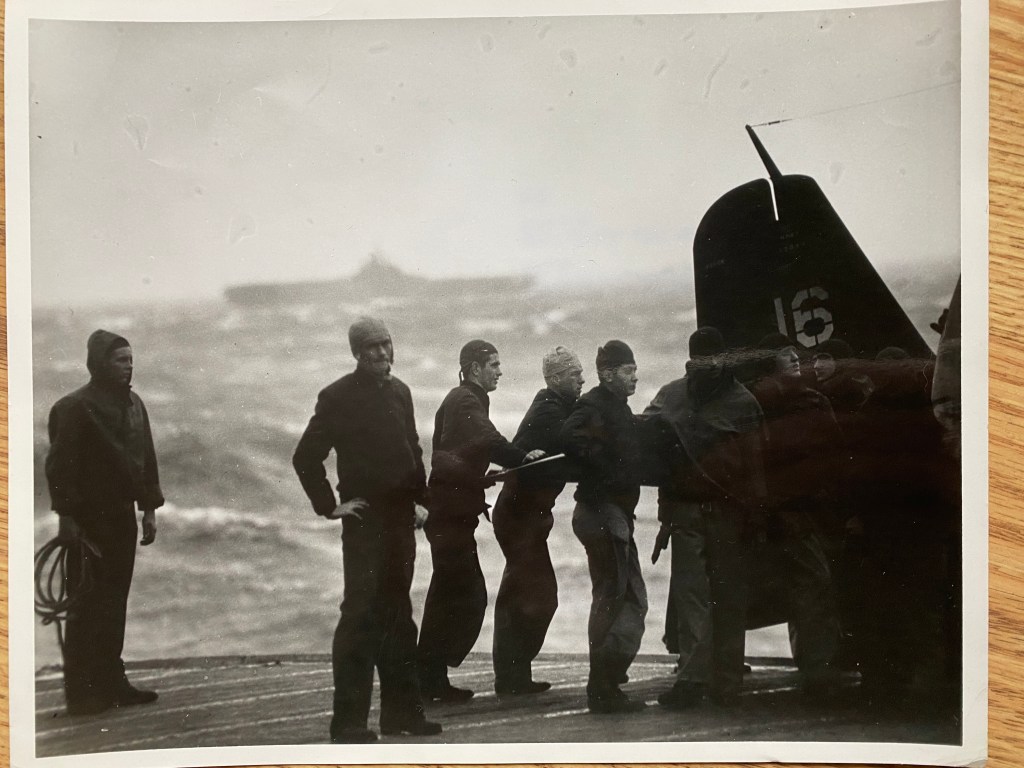
The back of the photograph also says “No objection to publication or reproducing this photograph provided this credit line is used: Official US Navy Photo.”
The early 1960’s were fraught days for the Pentagon as the US Military danced around involvement in the Vietnam War and a number of other communist-tinged conflicts (the U.S. officially entered the war with the Gulf of Tonkin Resolution in August 1964). In October of 1962 the Cuban Missile Crisis erupted, and David was smack in the middle of the action as military bosses strode in and out of offices and took phone calls from the White House. He wrote about that time:
“I was a young college graduate in the Navy in the Pentagon when the Cuban Missile Crisis happened. It was chilling to hear the officers around me lusting to bomb Cuba into oblivion. I was so glad to be there, to see and hear military thinking firsthand. And when Kennedy gave Khrushchev (then-head of the Communist Party) a way out of the mess, thus avoiding unthinkable disaster, I was appalled to hear disappointment from some of those officers. This experience changed me radically. If you take a hard look at the ugly details that have evolved from sustained belief in military might, it changes you. The totality of our effort in Vietnam, Iraq, Afghanistan were enormously deadly and expensive failures and costly to millions of people and their families.”
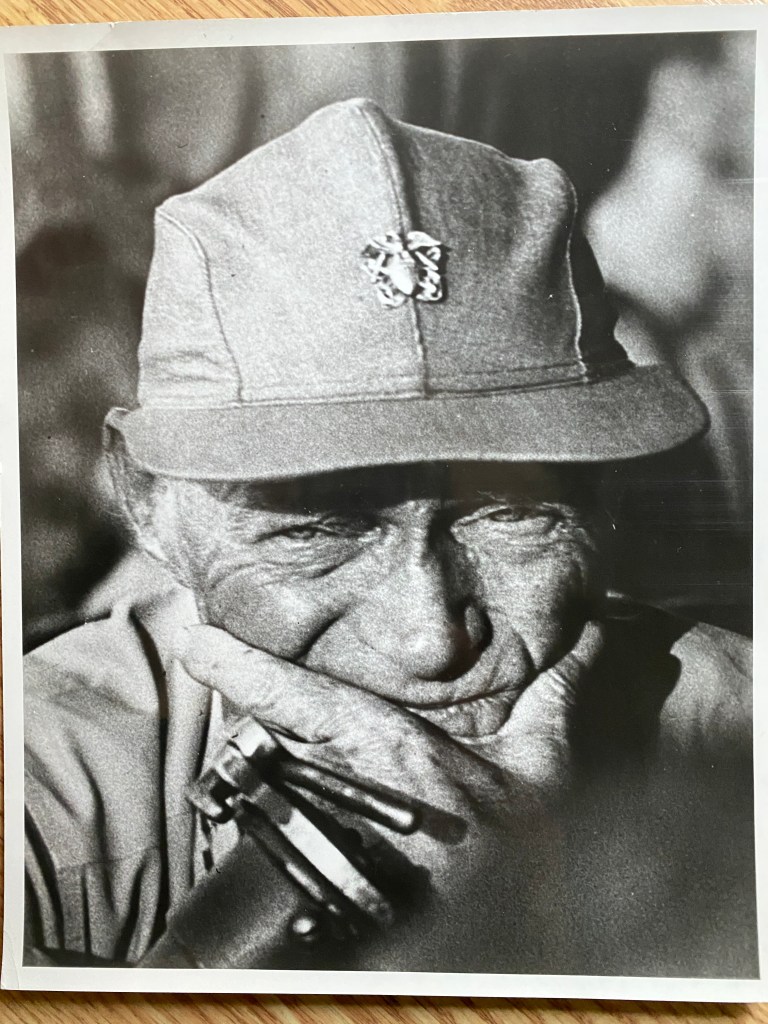
this credit line is used: Official U.S. Navy Photo
David went on to be a lifetime journalist, and wrote countless articles about how and why individuals and organizations were working for peace, or against it, in the world. Instead of fighting in Vietnam, he wrote eloquently about the conflicts on US soil between those protesting the validity of war and those who believed in military force. He also wrote about everyone else, caught in the middle of conflict both at home and abroad (or recovering from their service) and the many brave enlisted individuals so often faced with few opportunities other than military enlistment, working to provide a livelihood for themselves and their families. He helped readers to understand the why’s and the costs of war.
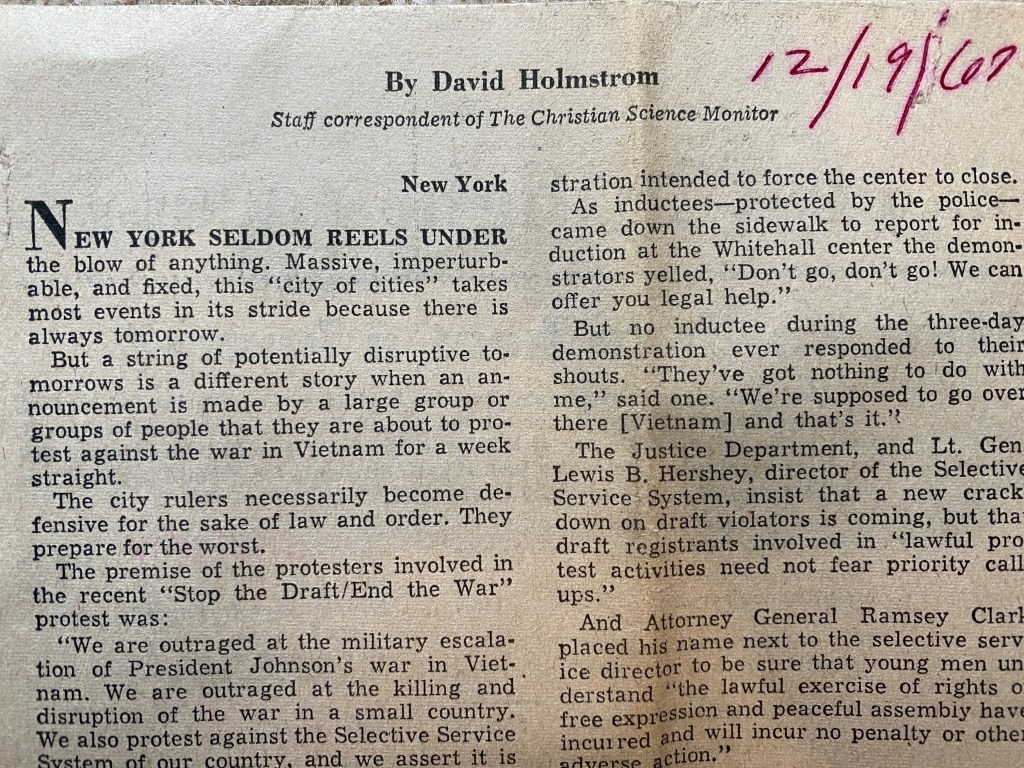
From The Christian Science Monitor 12/19/1967.
In 1964, during his exit interview from the Navy, when asked why he wasn’t reenlisting, David said “I’ve learned I want to live for my country, not die for it.” It’s worth noting that the US became involved in the Vietnam War that same year and had my father remained in the military his story, and as a result, my own, might have gone differently. David went on to write numerous articles about how and why individuals were working for peace in the world, in my opinion the best and most valuable use of his talents.


You must be logged in to post a comment.